What Is an Electrospindle?
Introduction
In the world of manufacturing, the terminology around spindles can be confusing — “spindle”, “electrospindle”, “electrospindle” all refer to similar equipment. Behind this technical terminology lies a central element of your machine tools: the heart that provides speed, power and precision.
Definition of an electrospindle and difference from a conventional spindle
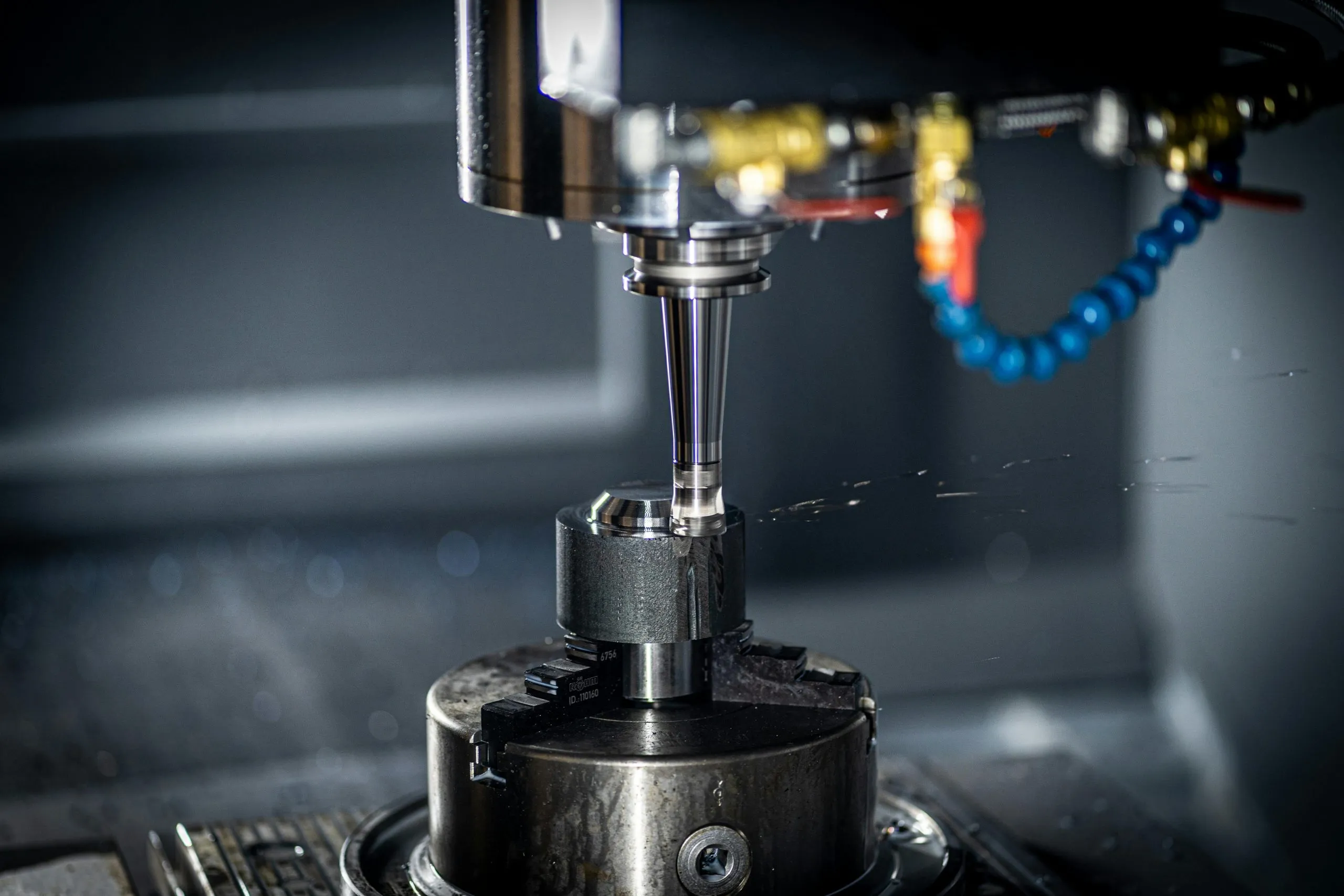
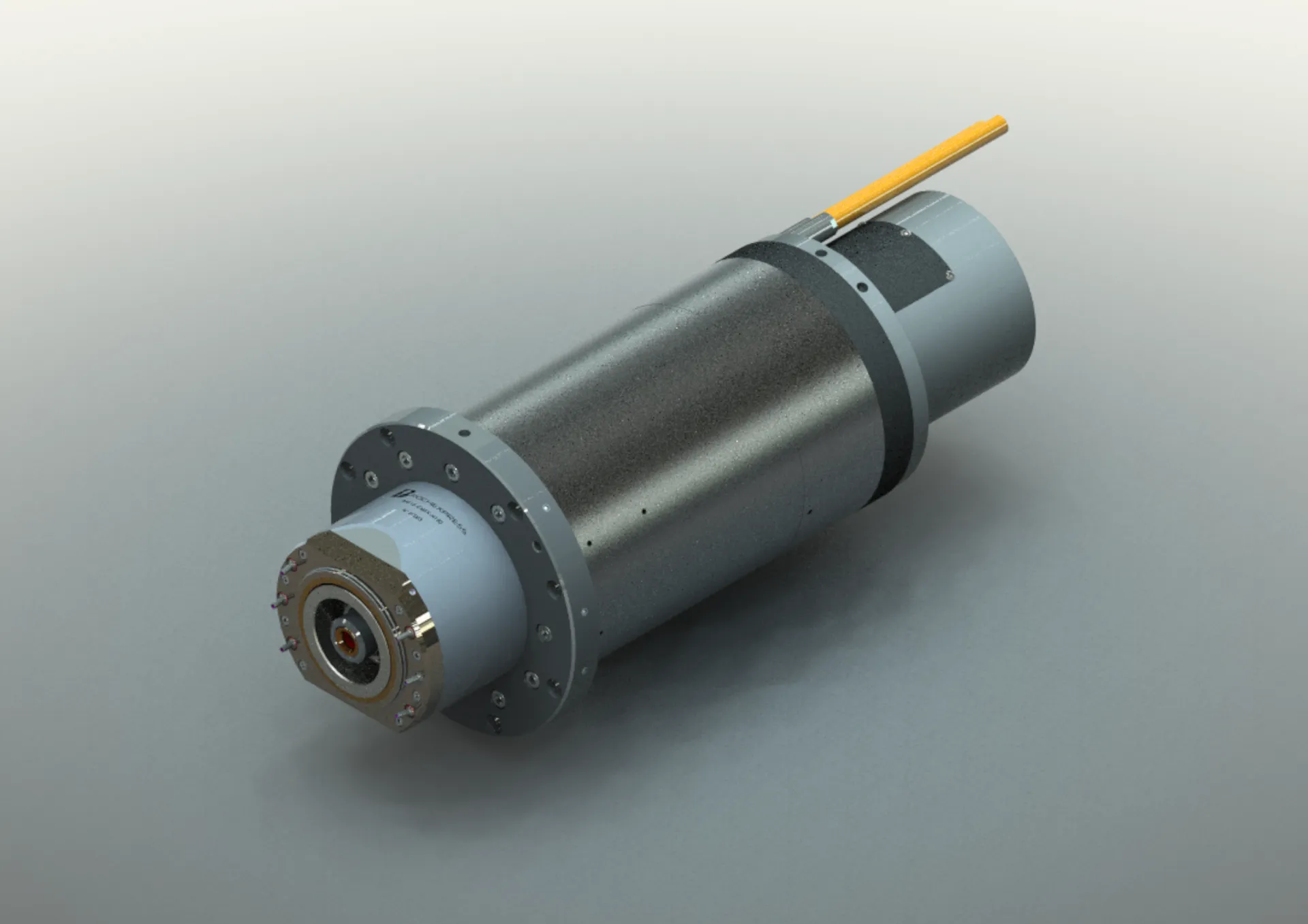
An electrospindle integrates the motor directly into the spindle body. Rather than a separate motor connected via belt or mechanical drive, it combines the electric motor, spindle shaft, tool holder, cooling and lubrication systems, and sensors into a single compact unit.
This compact architecture achieves very high rotation speeds with excellent precision and rigidity, making it ideal for modern CNC machining centers. Traditional spindles rely on separate motors connected by belts or gears, while electrospindles minimize intermediate mechanical elements, reducing losses and vibrations.
What is an electrospindle used for in your machine tools?
The electrospindle transmits rotational motion to cutting tools and ensures cutting quality. Its role is essential for:
- Rotation speed: Designed for very high speeds, essential for high-speed machining and small cutters
- Precision: Rigidity and bearing quality enable tight tolerances, critical in aerospace, medical and tooling
- Productivity: The combination of power, speed and rapid acceleration reduces cycle times and improves machine efficiency
- Surface quality: Stable rotation minimizes vibrations, reducing surface defects
Applications
- 3, 4 or 5-axis machining centers
- CNC engraving/cutting machines
- CNC routers for wood and composites
- Specialized machines for aluminum, engineering plastics and soft materials
- Automated production lines
How to choose the right electrospindle for your application?
Key selection criteria:
- Speed range and material types: Steel, stainless steel, aluminum, composites, wood, plastics — each requires different speed and torque ranges
- Power and torque: Nominal power and torque available at different speeds determine material removal capacity
- Cooling type: Air or liquid cooling directly affects thermal stability and electrospindle lifespan
- Bearing type and lubrication: Bearing material and lubrication method impact precision, vibration levels and maintenance intervals
- Tool and machine interface: Taper type, collets and tool change systems must match your machine environment
Maintenance, breakdowns and electrospindle repair
Operating at extremely high speeds near the cutting zone, electrospindles are subject to significant mechanical, thermal and vibratory stresses. Without proper maintenance, costly breakdowns result: production shutdowns, rejected parts and machine deterioration.
Common causes of breakdown:
- Insufficient or inappropriate lubrication
- Defective cooling systems
- Repeated mechanical overloads
- Incorrectly set speeds
- Shocks or handling errors during tool changes
- Chip or cutting fluid infiltration into bearing areas
Preventive maintenance and regular inspections are essential: temperature monitoring, abnormal noise detection, clearance verification, cutting condition checks. Close monitoring extends electrospindle lifespan.
How to properly operate your electrospindle on a daily basis?
Beyond selection and repair, daily use significantly impacts lifespan. Best practices include:
- Respecting the speeds and feeds recommended by the manufacturer
- Allowing gradual warm-up through progressive ramp speeds
- Monitoring cutting parameters and signs of fatigue (noise, vibration, heat)
- Using properly maintained and balanced tools
- Maintaining cleanliness and sealing around the electrospindle, especially in dusty or chip-laden environments
Consulting specialists early, rather than running units until failure, often saves components and reduces repair costs.
Conclusion
Whether called electrospindle or electrospindle, this component drives machine tool performance. Proper selection, use and maintenance protect production, lead times and part quality.
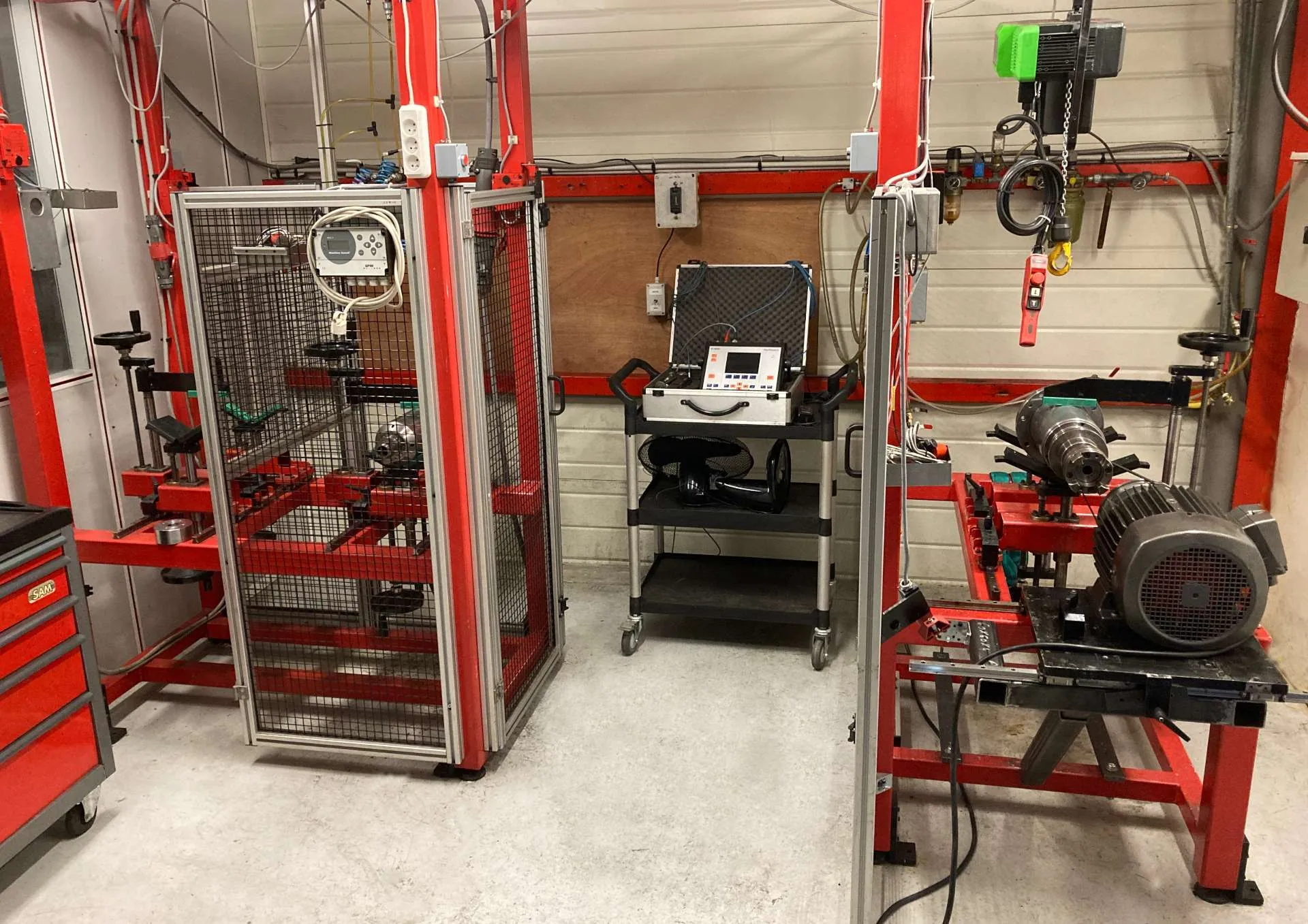
BrochExpress applies its expertise in mechanical spindles and electrospindles to serve workshops: needs analysis, spindle selection or replacement, preventive maintenance and emergency repair.