What Is a Spindle?
Introduction
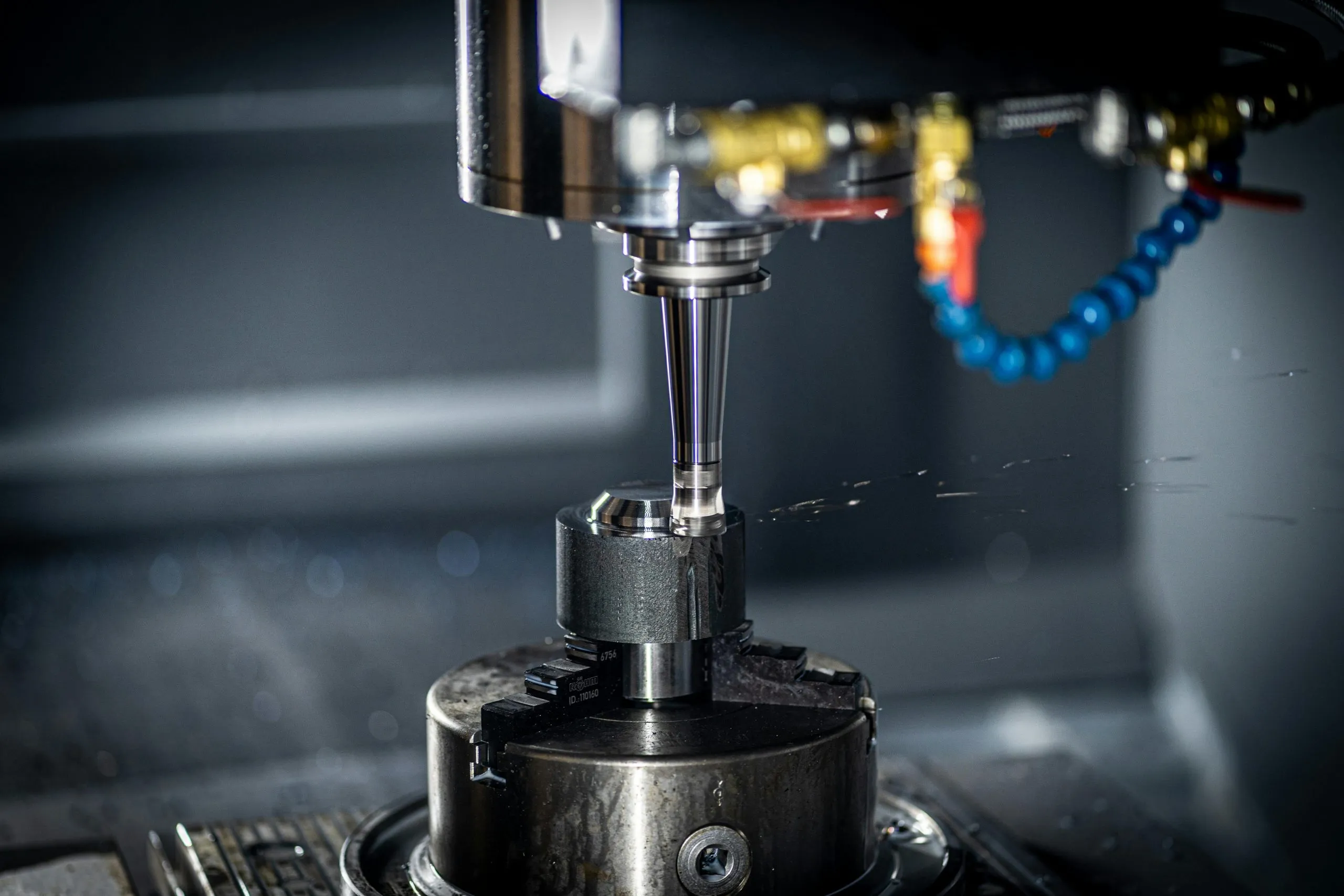
In the world of machining, we increasingly hear about spindles. Behind this term lies simply the central rotating component of a machine tool — the one that drives the cutting tool at the right speed, with the right precision. Without a reliable spindle, even the best CNC machine loses performance, quality and productivity.
At BrochExpress, we work daily on spindles of all types and all brands. It is this field experience that allows us to explain simply what a spindle is for, how it works, what the main types are and why its maintenance is essential for the reliability of your machine fleet.
The spindle, heart of the machine tool
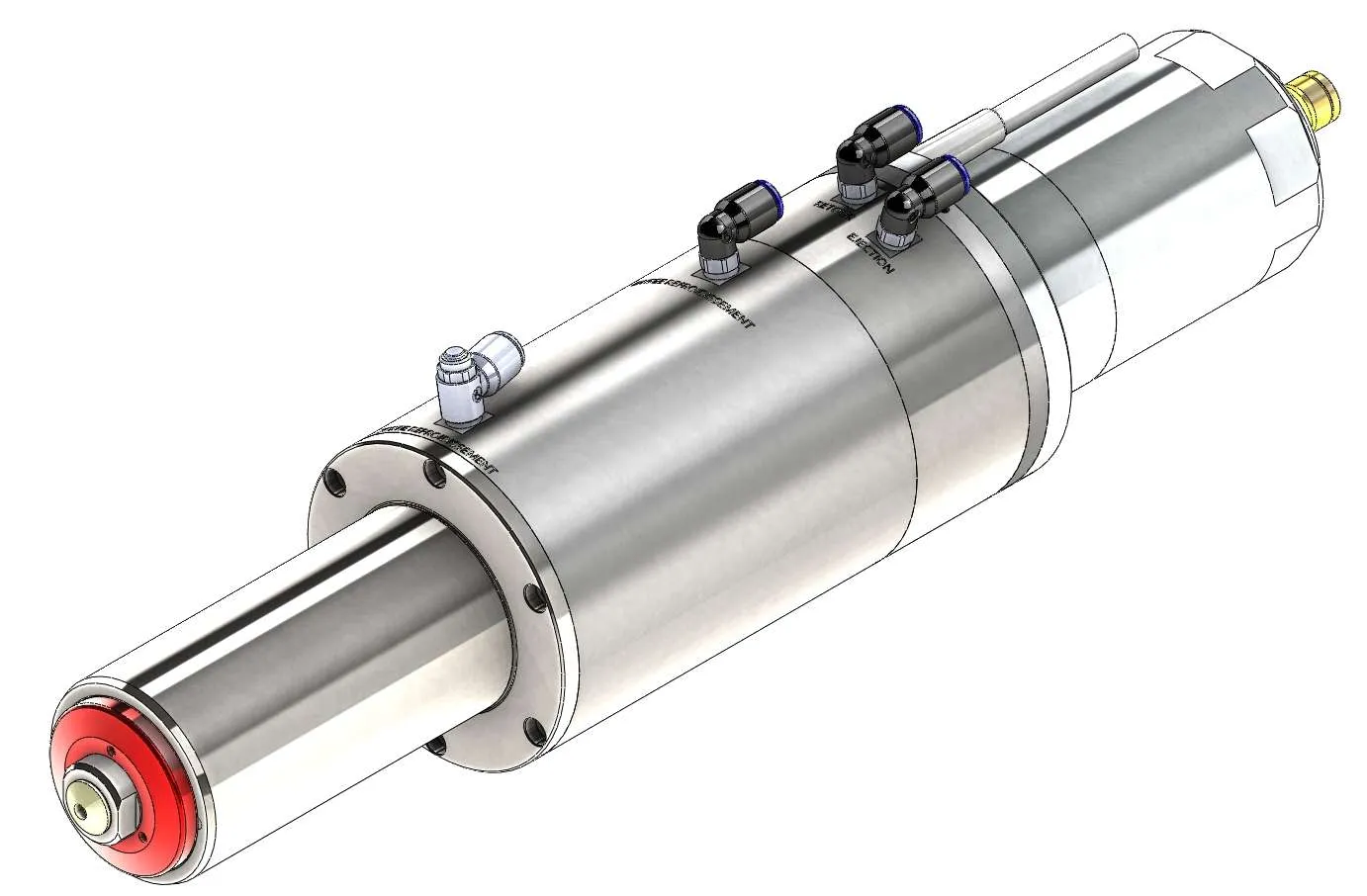
A spindle (often called “broche” in French) is the mechanical and electromechanical assembly that rotates the tool in a machining machine. It generally consists of a shaft, bearings, a drive system (integrated or external motor), a lubrication and cooling system, and a taper or spindle nose to carry the tool.
In practice, the spindle performs several essential functions:
- Transmitting power and rotation speed to the cutting tool
- Ensuring machining precision and rigidity
- Maintaining concentricity and limiting vibrations
- Enabling fast and reliable tool changes
In a CNC machine, the spindle is at the heart of the performance / precision / productivity trio. A spindle in good condition enables:
- Better surface quality
- Respected tolerances
- Fewer rejects and rework
- Optimal exploitation of the machine’s capabilities
The main types of spindles and their applications
There are several families of spindles, suited to different uses and performance levels.
The belt-driven spindle
The motor is separate from the spindle, connected by a belt. It is a robust solution, still very common in older machines. Performance depends partly on the quality of assembly and belt tension, but this type of spindle remains widely used in milling and turning.
The electrospindle (or integrated motor spindle)
Here, the motor is integrated into the spindle, which reduces mechanical losses, achieves higher speeds and improves compactness. This type of spindle is particularly widespread in modern CNC machining centers, in cutting, engraving, aluminum milling, composite or steel machining.
The high-speed spindle
Designed to rotate at very high speeds, this spindle is used for machining lightweight materials, micro-machining or high-precision finishing. It requires very fine balancing, controlled lubrication and careful monitoring to avoid premature wear.
Some key criteria for choosing a spindle
- Rotation speed range
- Torque available at usual speeds
- Cooling capacity
- Bearing technology (balls, rollers, ceramic…)
- Tool interface (HSK, ISO, BT, etc.)
- Environment (dust, oil mist, humidity)
Common breakdowns, maintenance and spindle repair
Symptoms to watch on your spindle
- Abnormal increase in spindle temperature
- Bearing noises (sizzling, rumbling, clicking)
- Vibrations felt in the machine
- Signs of runout or poor concentricity on parts
- Decrease in surface quality without changes to machining parameters
- Repeated spindle-related alarms on the CNC
Spindle and electrospindle repair
When a breakdown is confirmed, spindle or electrospindle repair must be entrusted to specialists capable of managing:
- Complete spindle disassembly
- Bearing and shaft inspection
- Failure cause analysis (lubrication, contamination, overheating…)
- Replacement of critical components
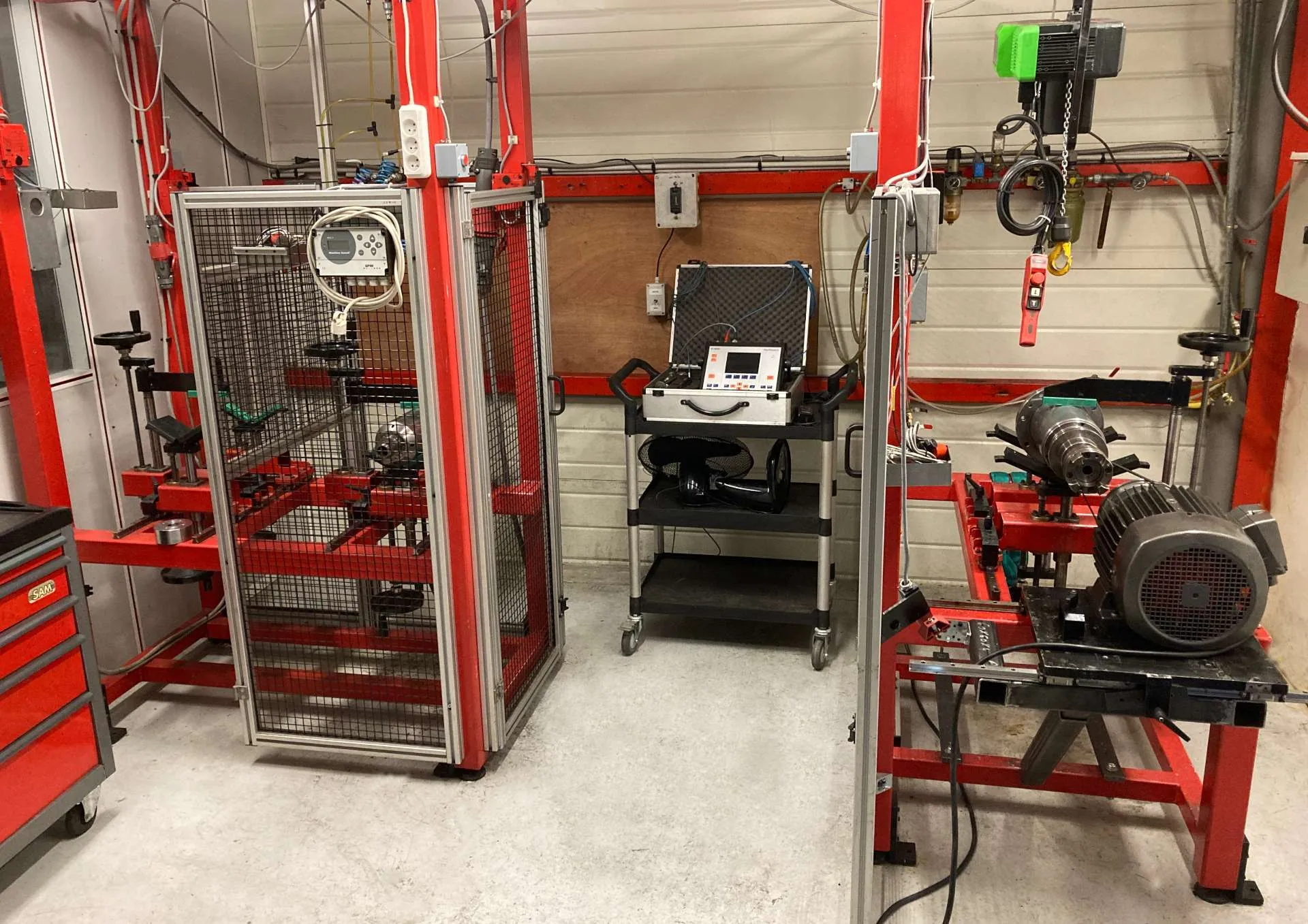
- Reassembly, balancing and load testing
Preventive spindle maintenance
To extend the lifespan of your spindle and reduce unplanned shutdowns, preventive maintenance is a key lever. It enables:
- Scheduling interventions outside peak production periods
- Checking the condition of bearings and critical components
- Verifying and adjusting lubrication and cooling parameters
- Detecting the onset of defects before they damage the spindle
Conclusion
Understanding what a spindle is means recognizing its strategic importance in your workshop. It is the component that transforms machine power into precise, stable and reproducible cutting motion. A well-chosen, well-used and well-maintained spindle means fewer breakdowns, more often conforming parts, controlled cycle times and better overall profitability of your equipment.
As a spindle specialist, BrochExpress supports you throughout the life of your machines: diagnostics, repair, upgrades, preventive maintenance.