What is a machining spindle?
The machining spindle: definition and functions
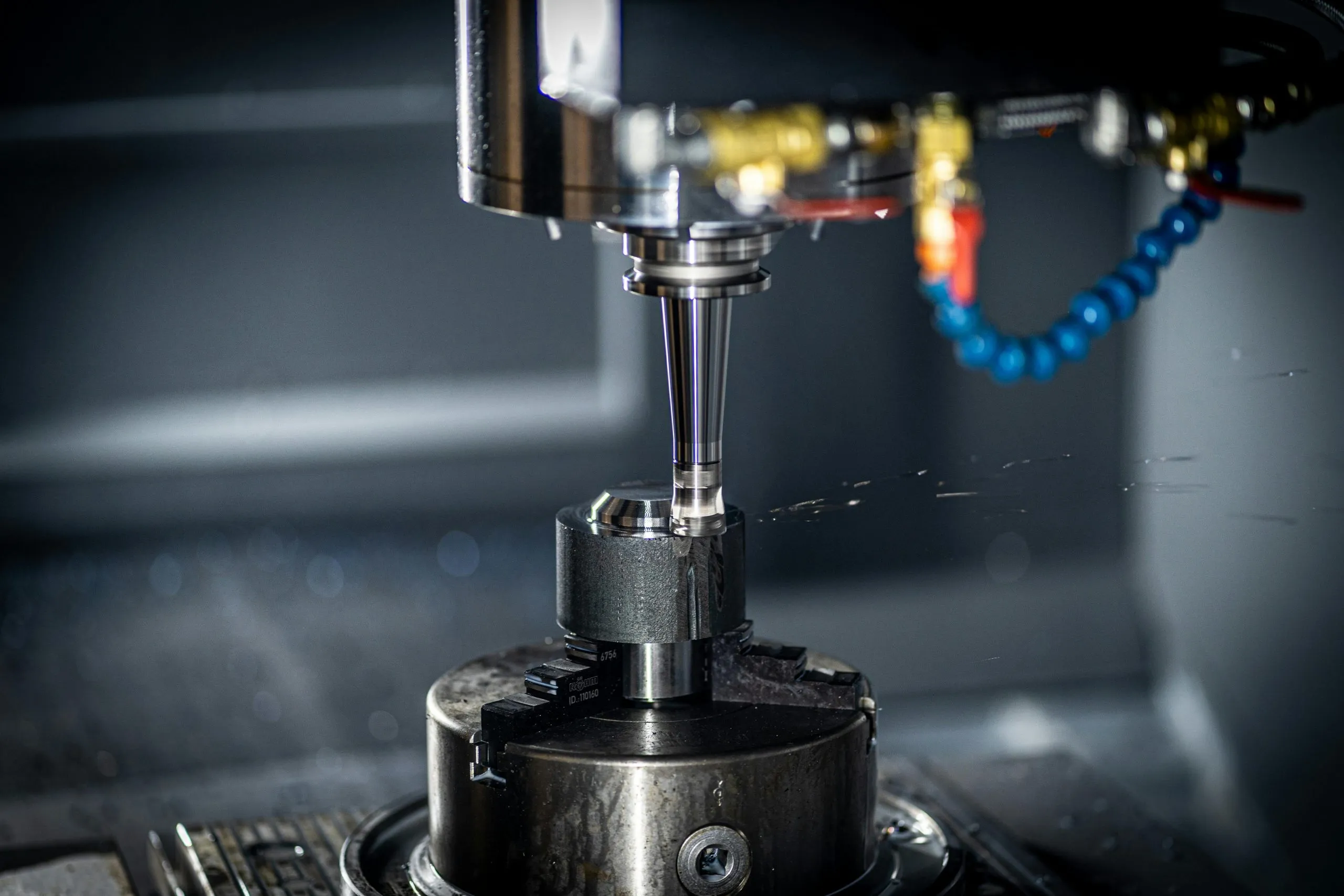
The machining spindle is an essential component of machine tools, including machining centers, lathes and milling machines. It functions as a rotary axis that can be vertical, horizontal or inclined depending on the machine configuration. The spindle transmits rotational motion to the tool holder and to the cutting tool itself.
Key objectives include ensuring precise machining while optimising productivity, requiring strict compliance with reliability, rigidity, service life, rotational speed and clamping force requirements.
The different types of machining spindles
Belt-driven spindle: This type uses a toothed belt connected to an electric motor, offering simplicity, robustness, cost-effectiveness, quiet operation and good thermal dissipation.
Gear-driven spindle: Gears transmit motion from the motor to the spindle, providing greater rigidity than belts and enabling high rotational speeds, although noisier and requiring more frequent maintenance.
Electrospindle (direct drive): In this configuration, the spindle is directly integrated into the motor, eliminating mechanical transmission elements. These offer excellent precision, high performance and low vibrations, but are more expensive to purchase and maintain.
How to choose a suitable machining spindle?
Selection requires considering several essential criteria:
-
Machine type: Different equipment (machining center, milling machine, lathe) requires different spindles. Electrospindles are particularly well-suited to machining centers for performance and precision.
-
Workpiece characteristics: Size, shape and material influence spindle choice. Large or heavy parts require robust and rigid spindles, while lightweight spindles suit fast, precise operations on delicate materials.
-
Working conditions: Requirements for rotational speed, clamping power, precision and service life vary depending on the application and production environment.
-
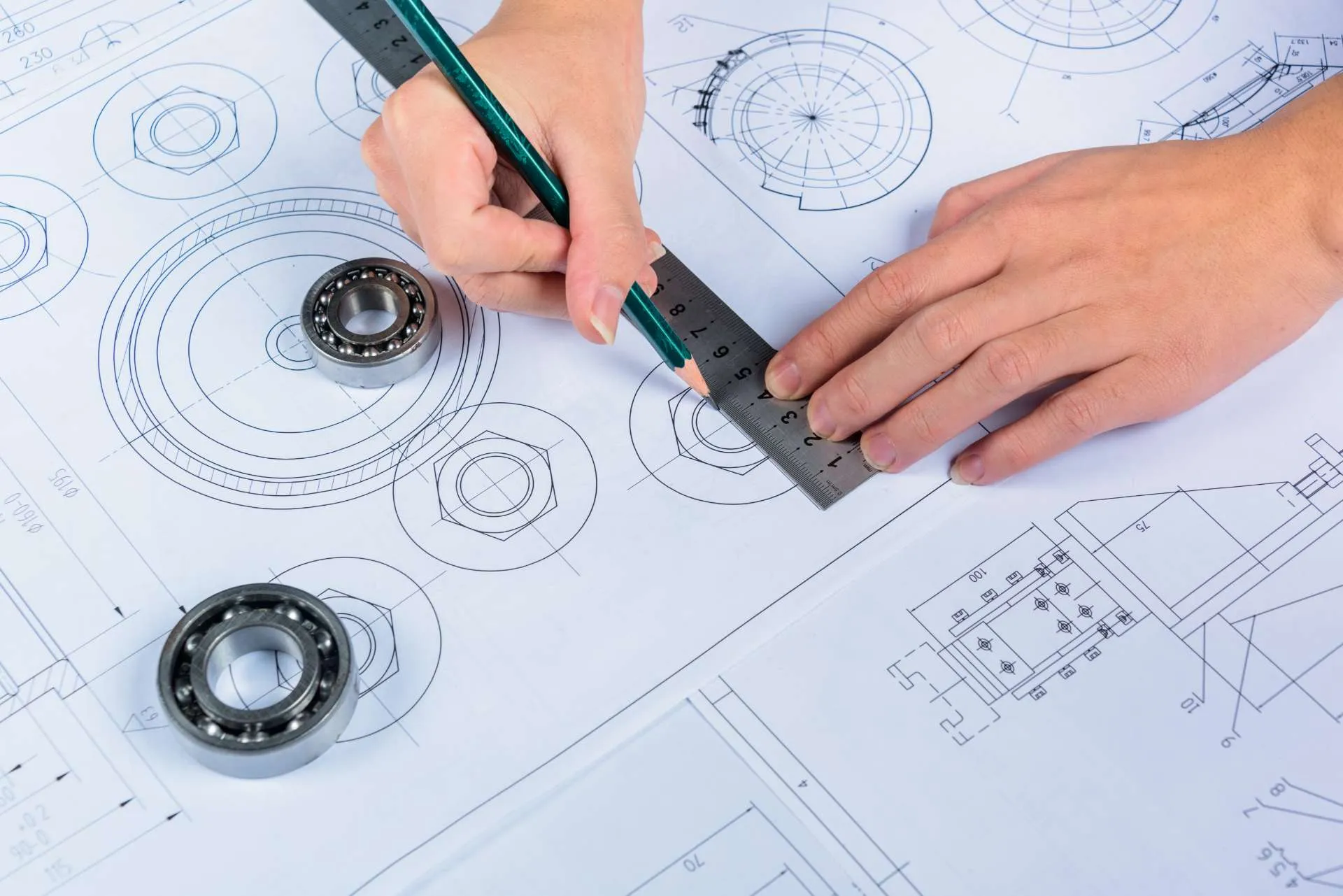
Technical specifications: Spindle diameter, length, drive mode, clamping capacity and connectivity require careful evaluation for compatibility with the machine and process.
-
Budget: Cost considerations include value for money, operational savings and amortisation over time.
The importance of machining spindle maintenance and replacement
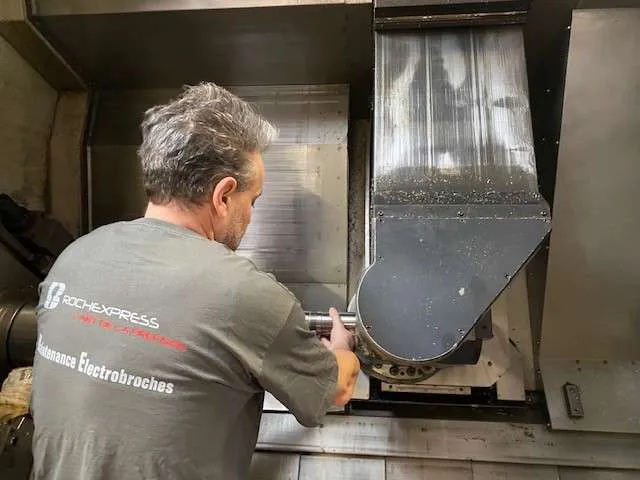
Performance and reliability depend on regular servicing and monitoring the spindle’s service life. Components such as bearings, seals and bushings undergo wear and require periodic inspection or replacement.
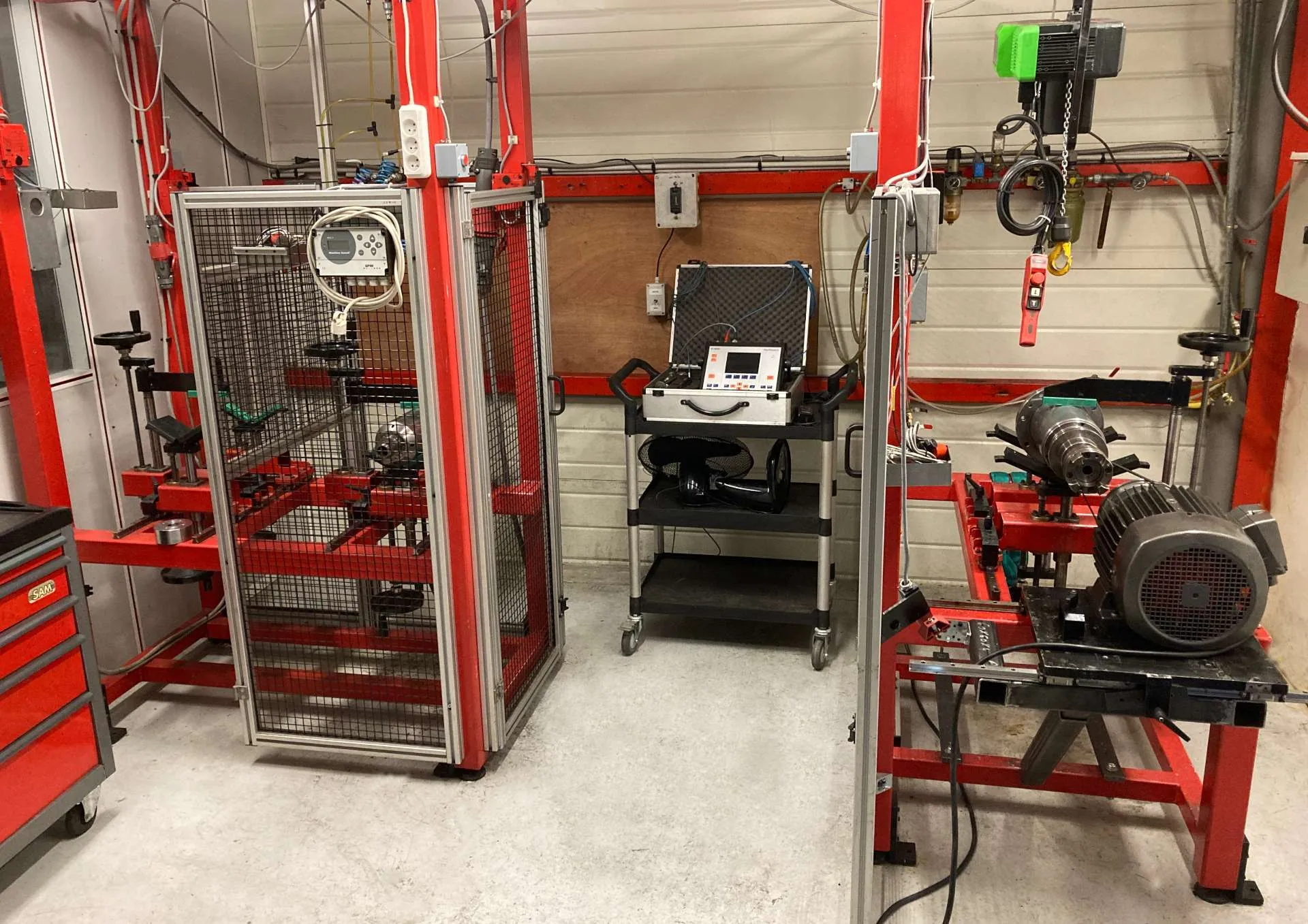
Prompt professional intervention prevents deterioration and disruption to the production chain. The rapid availability of spindle repair and exchange specialists ensures optimal equipment operation.
Conclusion
The machining spindle is a key component of the machine tool, whose performance and precision directly determine the quality of machined parts. Proper selection and maintenance require particular attention for optimal equipment performance and longevity.