The Main Function of Spindles in Machine Tools: A Key Element for Performance
What Is a Machine Tool Spindle?
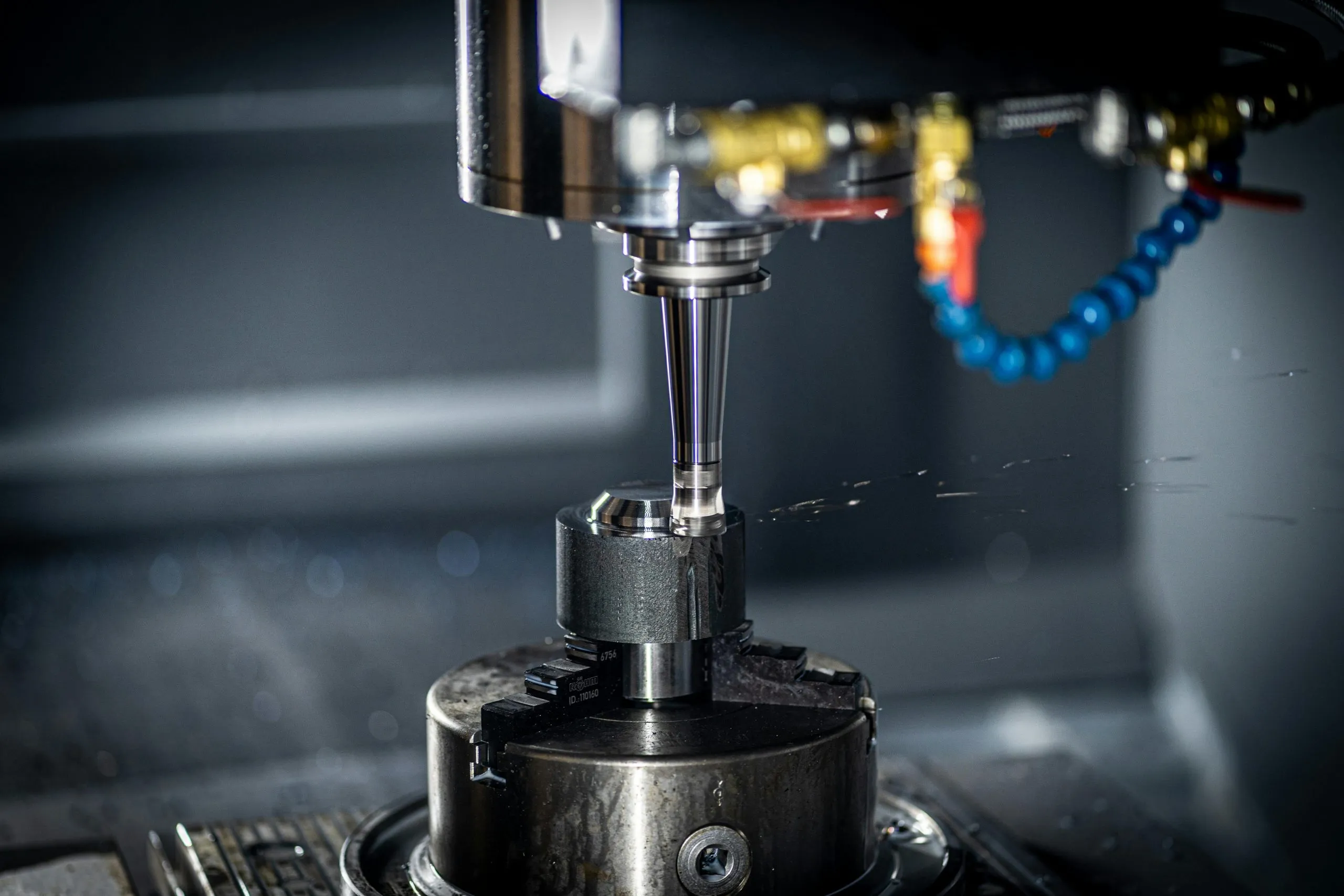
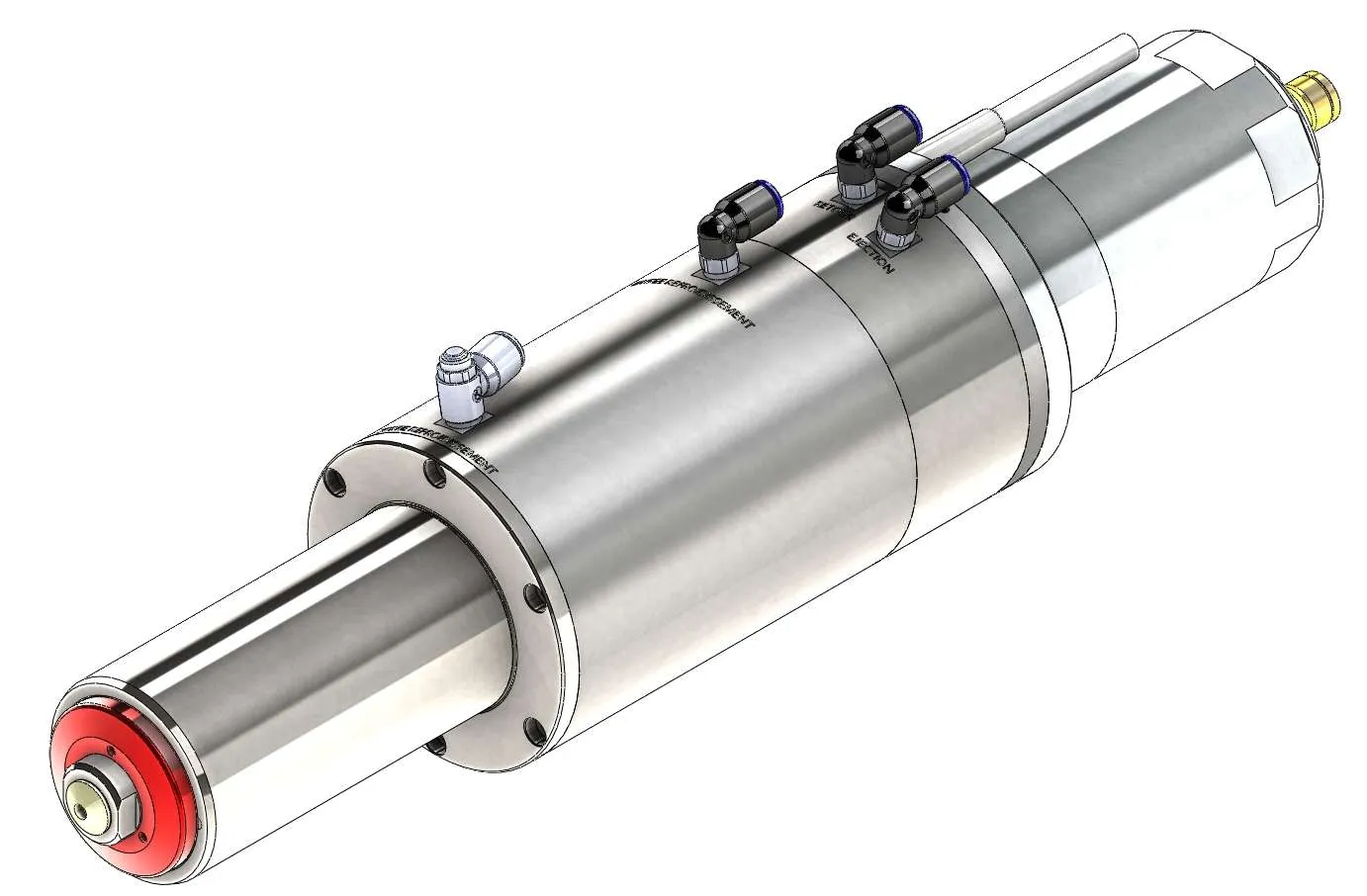
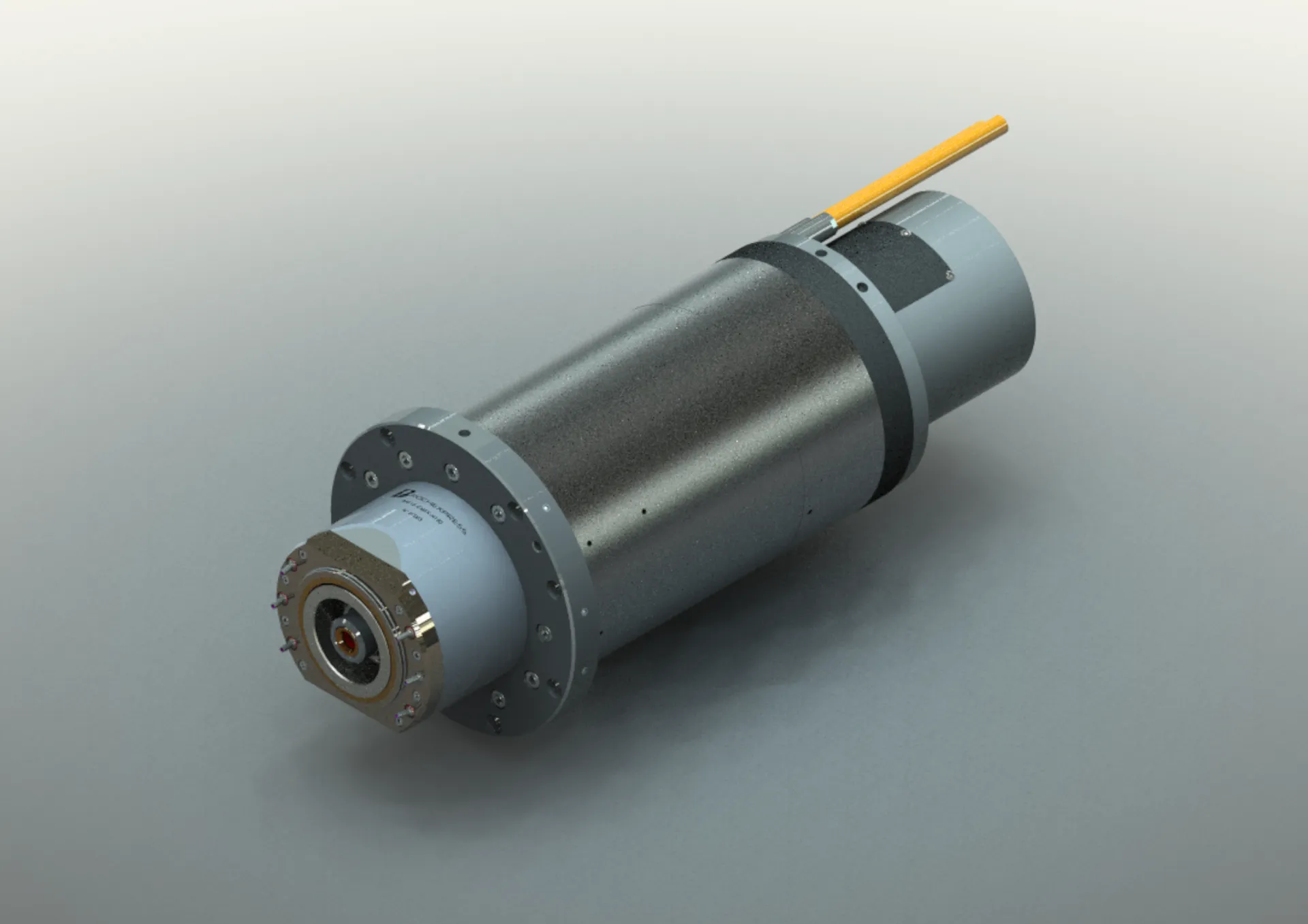
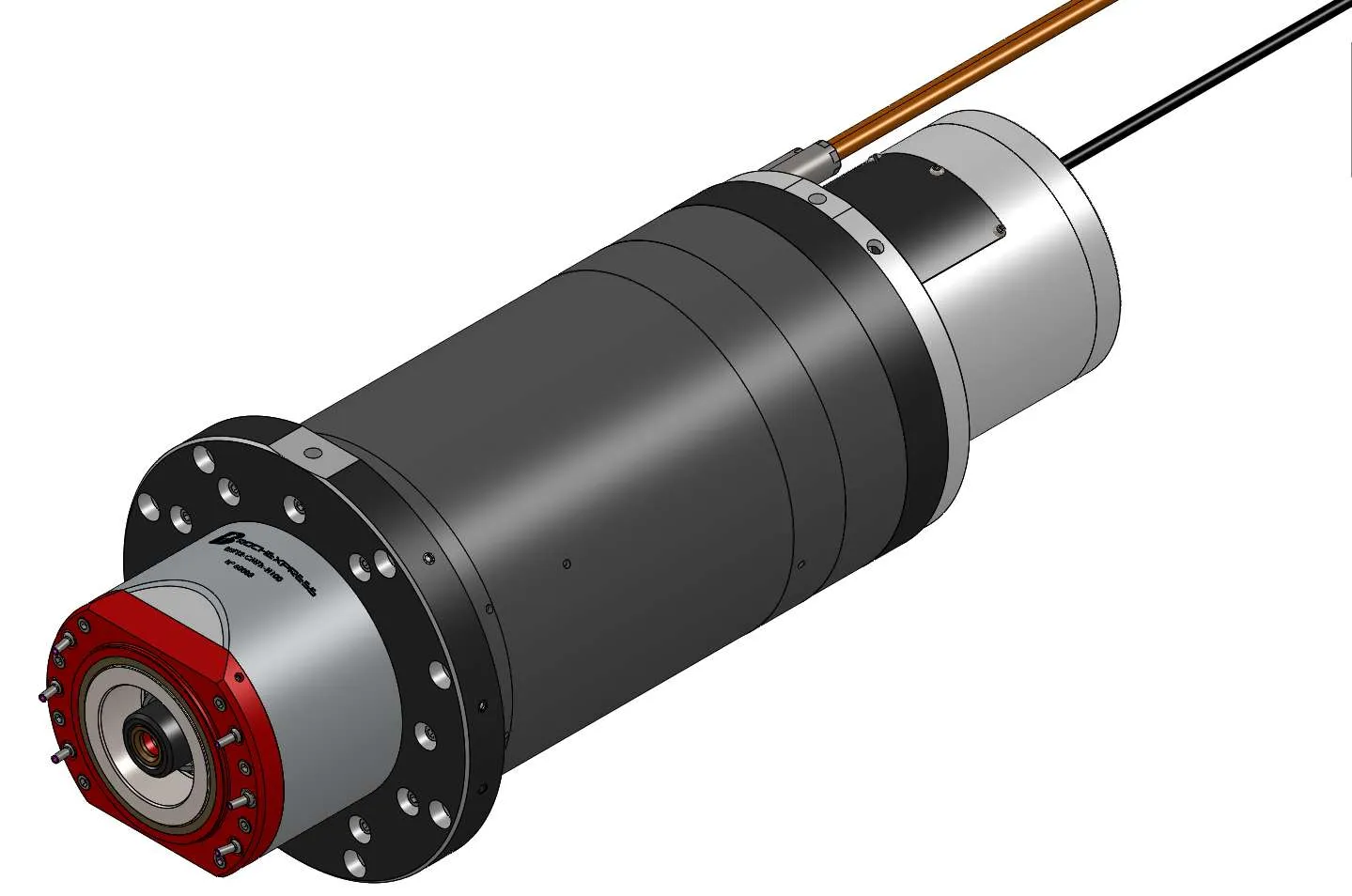
The term “spindle” commonly refers to a shaft or axis of rotation used in various industrial machines to transmit the mechanical energy required for diverse manufacturing operations, such as machining, cutting, drilling or milling. Each type of machine tool generally has its own dedicated spindle adapted to its specific needs in terms of power, rotational speed and rigidity.
Main Function of the Spindle in a Machine Tool
The main function of a spindle is therefore to provide a high-speed and constant rotational motion, which then enables the implementation of the various tools needed for machining operations. More specifically, the spindle not only ensures the transmission of driving force and the rotation of the cutting tool, but it also helps maintain the precision and quality of machined surfaces by avoiding unwanted vibrations. It can therefore be stated without hesitation that the overall performance of a machine tool largely depends on the intrinsic quality of its spindle.
At the Heart of the Machining Process
Among the many parameters that influence machining quality, we find notably:
- Spindle rigidity: a spindle that is too flexible will be less resistant to the forces applied by the cutting tool and will lead to a degradation of precision.
- Rotational speed: to ensure a good finish on machined parts, it is essential to work at a rotational speed suited to the materials and tools used.
- Cooling system: ensuring a stable and optimal temperature, spindle cooling actively contributes to its proper operation and durability.
These different factors help guarantee efficient and controlled machining. A well-designed spindle, meeting the required technical specifications, will thus optimize the performance of the entire machine tool.
Different Types of Spindles: A Range of Choices to Suit Your Needs
Primary Spindle
The primary spindle generally consists of a main shaft that directly receives the mechanical energy from the machine tool’s motor. This type of spindle is widely used for performing simple and common machining tasks.
Secondary Spindle
The secondary spindle, on the other hand, receives mechanical energy via another component (such as a gear or variable speed drive) that provides the necessary speed reduction or increase. It is particularly valued for meeting the specific needs of certain types of manufacturing or certain high-precision parts.
How to Choose Your Spindle?
To choose the right machine tool spindle, several key criteria should be examined:
- The technical characteristics of the spindle: power, maximum rotational speed, rigidity and diameter.
- The type and number of machining operations the machine tool must perform.
- The expected performance and production quality requirements.
- The industrial environment in which the machine tool will operate (thermal conditions, available settings).
- Installation, maintenance and repair costs.
By taking all these elements into account, it will be easier to select a spindle suited to your needs, capable of improving the productivity of your production line while ensuring optimal quality.
The Importance of Servicing and Maintenance
As with any industrial equipment, regular servicing and proper maintenance will extend the lifespan of your machine tool spindle and help you get the most out of it. It is therefore essential to pay attention to these crucial aspects to maintain a high level of performance and avoid unexpected incidents.
Some Tips for Maintaining Your Machine Tool Spindle:
- Regularly check the condition of the bearings, key parts subject to wear.
- Follow the lubrication intervals recommended by the manufacturer.
- Periodically monitor the spindle temperature at different points to detect potential malfunctions.
- Ensure that the spindle cooling system is working properly.
- Inspect the general condition of the spindle: corrosion, cracks, etc.
By following these recommendations, you will ensure the longevity and proper operation of your spindle, thus contributing to reliable, efficient and high-quality production.