Machining Spindle: Everything You Need to Know About This Essential Tool
Introduction
The machining spindle is a fundamental element in manufacturing and machining processes. This article explores in detail one of the essential components of the manufacturing industry and provides in-depth information on its use, applications and operation. From the meaning of the term “machining spindle” to its different types and characteristics, we will cover all aspects of this indispensable tool.
Machining Spindle: What Is It?
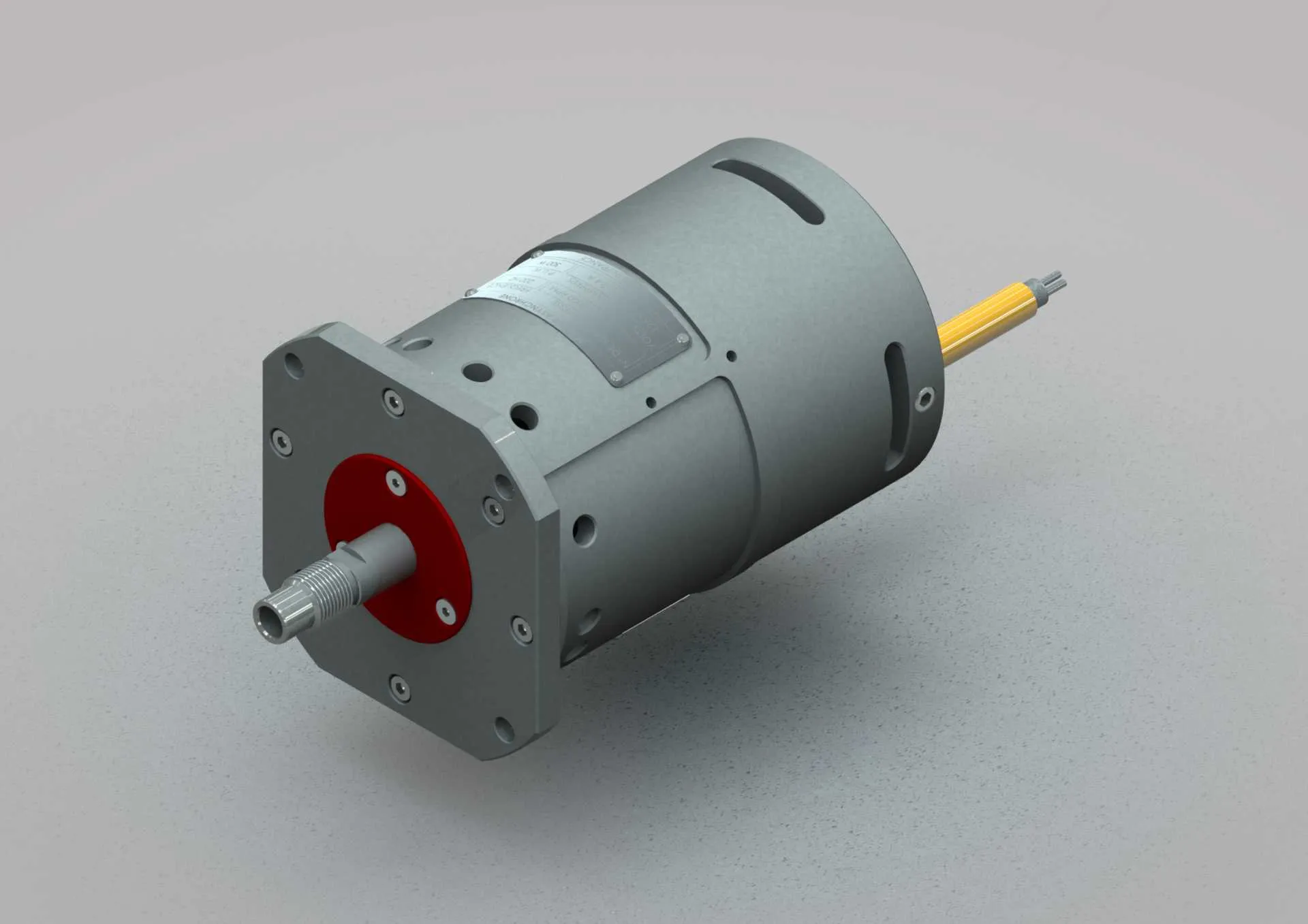
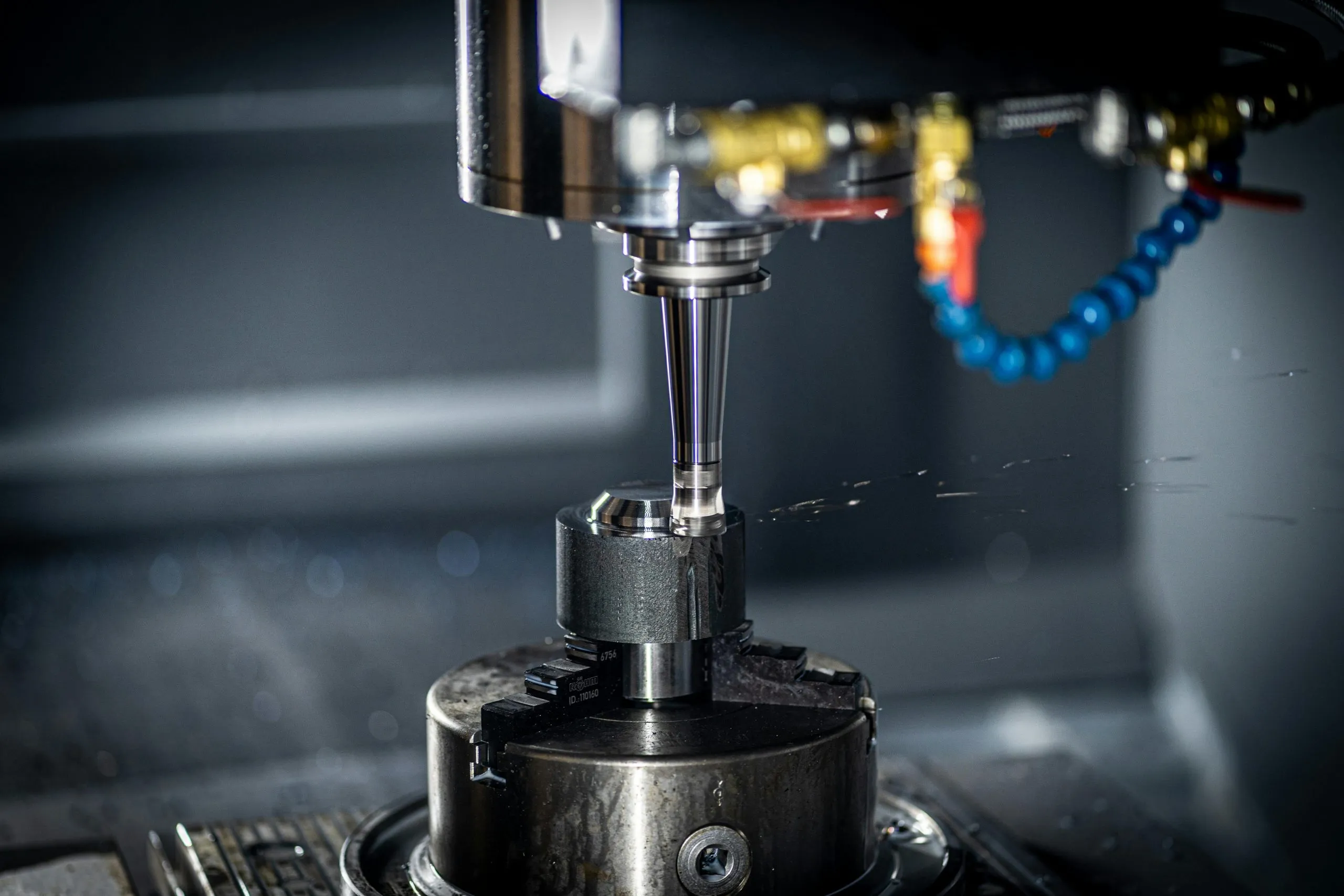
The machining spindle is a mechanical component that plays a crucial role in machining operations. It is generally used to hold and rotate cutting tools such as milling cutters, drill bits and reamers. The rotation of the spindle drives the cutting tool movement, which removes material from a workpiece to give it the desired shape.
How a Machining Spindle Works
The operation of a machining spindle is relatively simple but extremely effective. The spindle is mounted on a machine tool, such as a lathe or milling machine, and is powered to perform rotation. This rotation is transmitted to the cutting tool, which comes into contact with the workpiece and begins to remove material. Modern machines are equipped with high-performance machining spindles that allow high rotation speeds and precise cuts.
Different Types of Machining Spindles
There are several types of machining spindles, each suited to specific applications. The main types of spindles are as follows:
1. High-Speed Spindle (HSC)
The high-speed spindle is designed to reach extremely high rotation speeds, which enables impeccable surface finishes and increased productivity. It is often used in machining aluminum, stainless steel and plastic parts.
2. Turning Spindle
The turning spindle is specifically designed for lathes, where it holds and rotates the workpiece. It is commonly used in turning cylindrical, conical and threaded parts.
3. Milling Spindle
The milling spindle is primarily used in milling machines to hold and rotate milling cutters. It can be horizontal or vertical depending on the type of milling required.
4. Grinding Spindle
The grinding spindle is specially designed for grinding processes, which enable very precise surface finishes and high dimensional accuracy.
Importance of the Machining Spindle in Industry
The machining spindle plays an essential role in the manufacturing industry, and its importance cannot be underestimated. Here are some reasons why the machining spindle is an indispensable tool:
-
Precision and finish: The machining spindle enables high levels of precision and surface finish, which is crucial in many industries, including aerospace and automotive.
-
Increased productivity: High-speed machining spindles increase productivity by reducing the machining time required for each part.
-
Versatility: Thanks to the different types of spindles available, it is possible to machine a wide variety of materials and shapes.
-
Energy efficiency: Modern machining spindle technologies are designed to be energy-efficient, reducing operating costs.
Applications of the Machining Spindle
The machining spindle is used in various applications, and here are some of the main uses of this essential tool:
1. Machining Metal Parts
The machining spindle is commonly used for machining metal parts in the automotive, aerospace and general manufacturing industries.
2. Manufacturing Mechanical Components
It is used to manufacture mechanical components such as shafts, gears, axles, etc.
3. Production of Cutting Tools
Machining spindles play an essential role in producing cutting tools such as milling cutters and reamers.
4. Machining Composite Materials
It is also used in machining composite materials used in aerospace and other industries.
How to Choose the Right Machining Spindle?
Choosing the right machining spindle depends on several factors such as the material to be machined, the type of machining operation, the required rotation speed, and more. Here are some tips for choosing the appropriate machining spindle:
-
Material to be machined: Make sure to choose a spindle suited to the material you will be machining, as some materials may require special spindles to achieve the best performance.
-
Type of machining: Determine the type of machining you will be performing, for example, turning, milling or grinding, and choose a spindle specifically designed for that operation.
-
Rotation speed: Based on rotation speed requirements, opt for a spindle that can reach the necessary speeds without compromising machining quality.
-
Required precision: For operations requiring high precision, favor a spindle that offers high stability and precision characteristics.
FAQ
What distinguishes a high-speed machining spindle from other types of spindles?
High-speed machining spindles are designed to reach much higher rotation speeds than other types of spindles. This enables impeccable surface finishes and improved productivity in certain specific applications.
Why is machining spindle precision so important?
Machining spindle precision is essential because it has a direct impact on machining quality. A precise spindle guarantees finished parts that conform to specifications, thus reducing rejection costs and rework.
Can the same spindle be used to machine different materials?
It is preferable to use specific spindles suited to different materials. Some spindles are optimized for specific materials, which ensures better machining results and a longer tool lifespan.
How to maintain a machining spindle?
Regular maintenance of the machining spindle is essential to ensure optimal performance. Periodic inspections, component cleaning, checking clearances and vibrations, and replacing worn or damaged parts must be carried out.
What are the emerging technologies in the field of machining spindles?
Some of the emerging technologies in the field of machining spindles include high-frequency spindles, liquid-cooled spindles, and advanced vibration control systems for better stability during high-speed operations.
How to extend the lifespan of a machining spindle?
To extend the lifespan of a machining spindle, it is essential to follow the maintenance procedures recommended by the manufacturer, use quality lubricants and respect speed and feed specifications.
Conclusion
The machining spindle is an indispensable element in the field of machining and manufacturing. From its definition to its various applications and characteristics, we have explored in detail this essential mechanical component. By understanding how it works and choosing the right spindle for each application, you can improve the quality of your machining operations and increase your productivity. The precision and surface finish achieved with a well-chosen machining spindle can have a significant impact on the overall quality of your products.
Do not hesitate to explore emerging technologies in this field to stay at the forefront of the manufacturing industry. The machining spindle will continue to play a key role in the evolution of advanced machining, thus helping to shape the future of industrial manufacturing.