How to repair an electrospindle?
Introduction
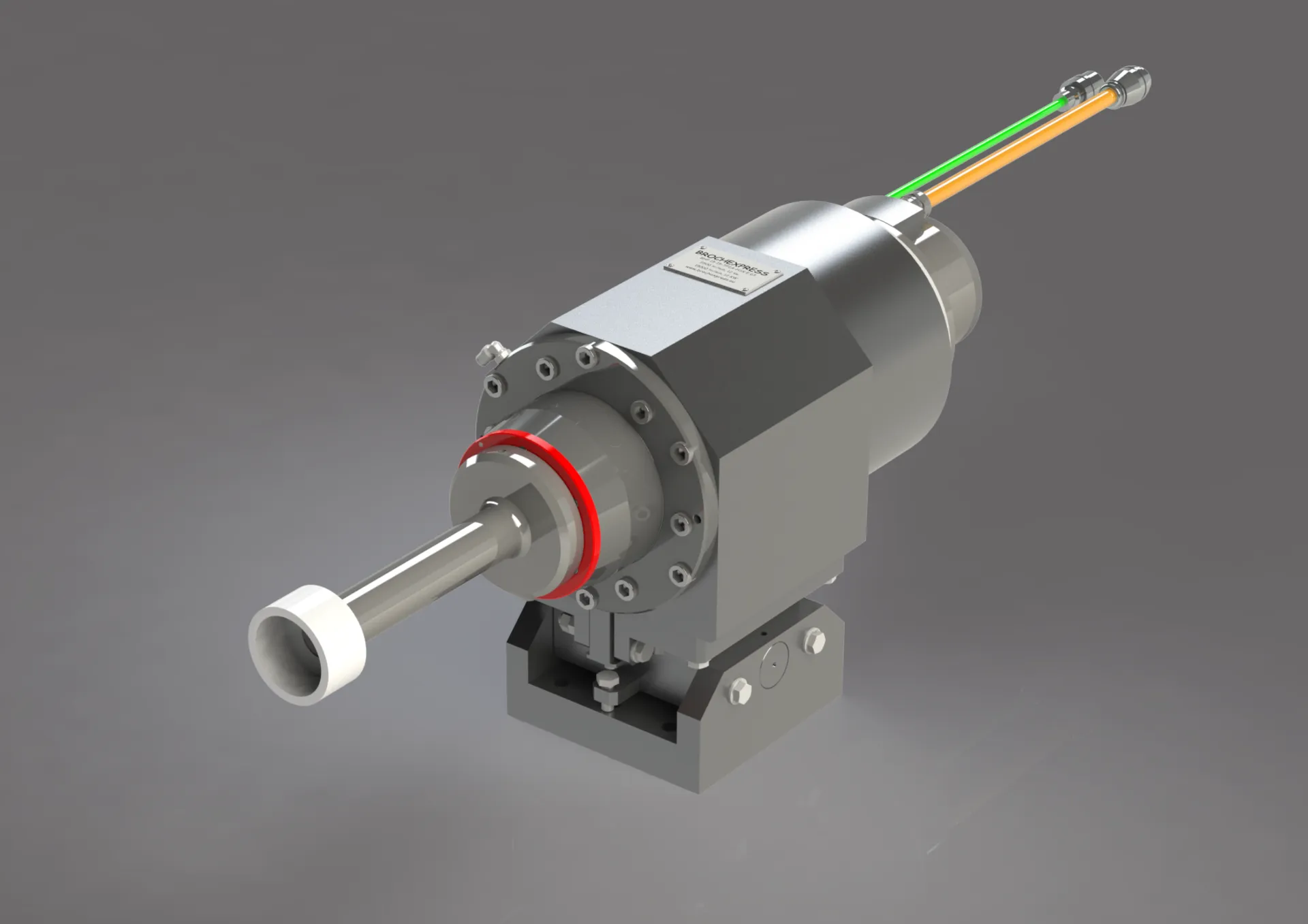
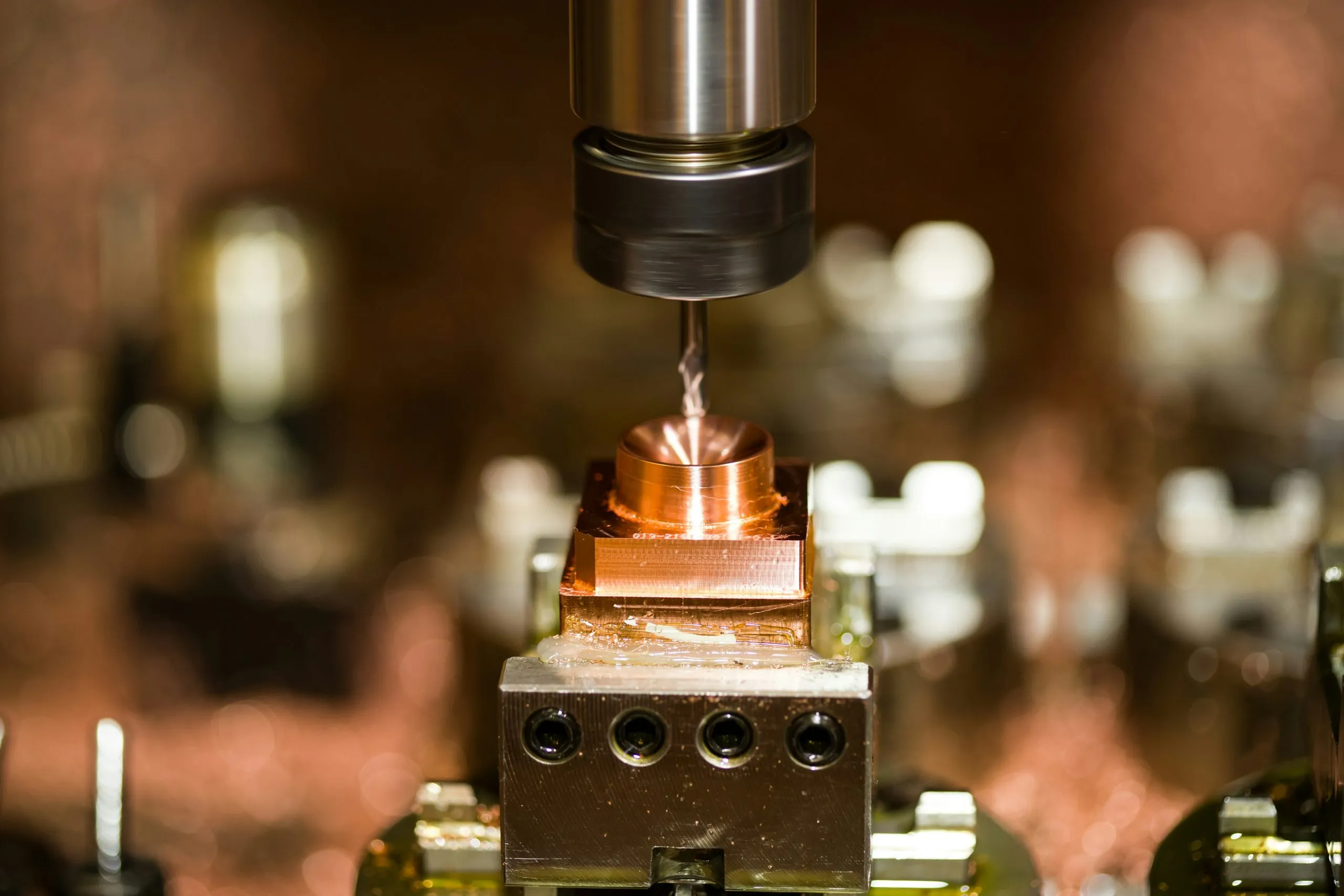
Electrospindles are key components in production machines, enabling milling, drilling or turning operations with great precision and speed. When these spindles break down, it can lead to costly production stoppages and impact the quality of work performed. In this article, we will explain how to proceed with the repair of a defective electrospindle.
Identifying the cause of the breakdown
The first step is to identify the cause of the breakdown. To do this, it is necessary to inspect the electrospindle and its various components. Here are some elements to check:
-
Tool change: Make sure the tool change mechanism works correctly and that the tools are properly clamped in the spindle.
-
Sealing: Check the sealing of the gaskets and the water circuit that ensure the cooling of the electrospindle.
-
Rotary joint: A damaged rotary joint can cause water leaks and affect the performance of the electrospindle. Check its condition and replace it if necessary.
-
Stator: Examine the stator and its windings to detect any anomalies or signs of overheating.
-
Phase resistance U, V, W and ground: Measure the resistances between the different phases of the electrospindle and ground to determine if there is a short circuit or a break in electrical continuity.
-
Clamping force: Test the clamping force of the electrospindle to verify that it is sufficient and consistent.
-
Sensors and encoder: Inspect the sensors and encoder that control the speed and positioning of the electrospindle.
Finding the right solution for the breakdown
Once the cause of the breakdown has been identified, the most appropriate solution for repairing the electrospindle must be chosen. In some cases, it will be possible to simply replace a defective component, while in other situations, a more complex repair will be required.
Component replacement
Based on the diagnosis performed during the electrospindle inspection, you may need to replace certain elements such as gaskets, the rotary joint, the stator or the sensors. For this, it is recommended to obtain replacement parts from the manufacturer or a specialized supplier.
Electronic system repair
If the breakdown is related to an electrical problem, it will be necessary to repair the electronic system of the electrospindle. This may involve:
-
Repairing or replacing defective electronic boards
-
Resoldering or changing damaged electronic components
Remember that handling electronic systems requires specific skills, and it is preferable to call a professional if you are unsure of your ability to perform these repairs.
Mechanical verification and adjustment
It is possible that the breakdown is due to a mechanical defect, such as excessive play between moving parts. In this case, certain elements will need to be checked and adjusted, such as:
-
Bearings
-
Mounting screws
-
Gears and pinions
This type of intervention often requires the help of a technician specialized in machine tool maintenance to ensure a good result.
Calling in an external service provider
If you do not have the skills or equipment necessary to perform the electrospindle repair in-house, it is possible to call in a specialized external service provider. These companies offer troubleshooting and electrospindle repair services, as well as standard exchange solutions to minimize your machine downtime.
By entrusting the repair of your electrospindle to a professional, you benefit from their expertise and specific tools, which guarantees an effective and lasting repair. In addition, some service providers offer warranties on their work, which can be an additional guarantee of safety for the user.
Preventing breakdowns: the importance of maintenance
To avoid electrospindle breakdowns and extend their lifespan, it is essential to implement a regular maintenance program. This includes:
-
Checking the condition of components (gaskets, bearings, stator, etc.)
-
Verifying the sealing of the cooling circuit
-
Inspecting and cleaning sensors and the encoder
-
Lubricating moving parts
-
Measuring and adjusting the clamping force
By following these preventive maintenance steps, you can reduce the risk of breakdown and optimize the performance of your electrospindles, while reducing costs associated with troubleshooting and production shutdowns.