
Electrospindle Repair Solutions: A Brochexpress Guide
Introduction
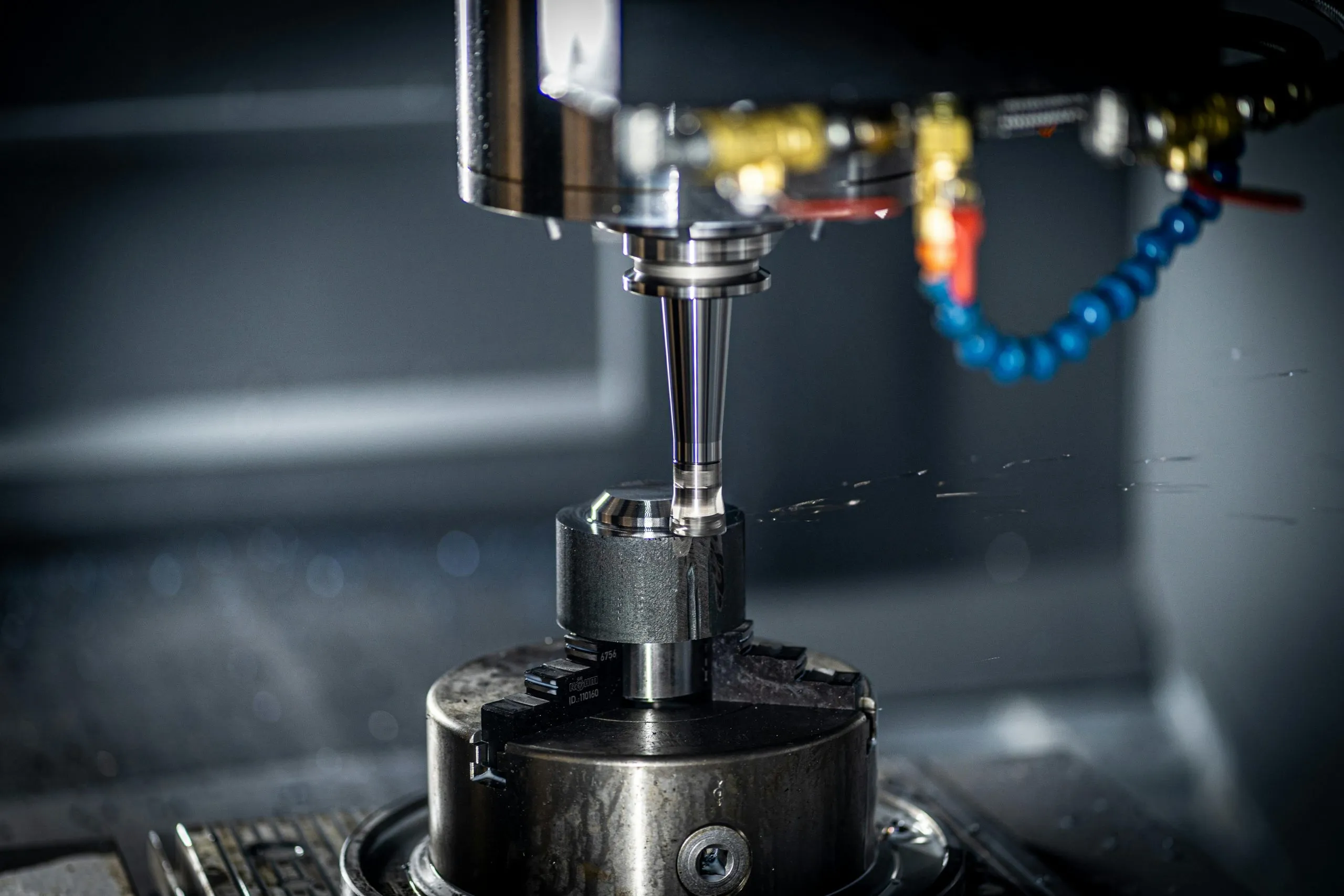
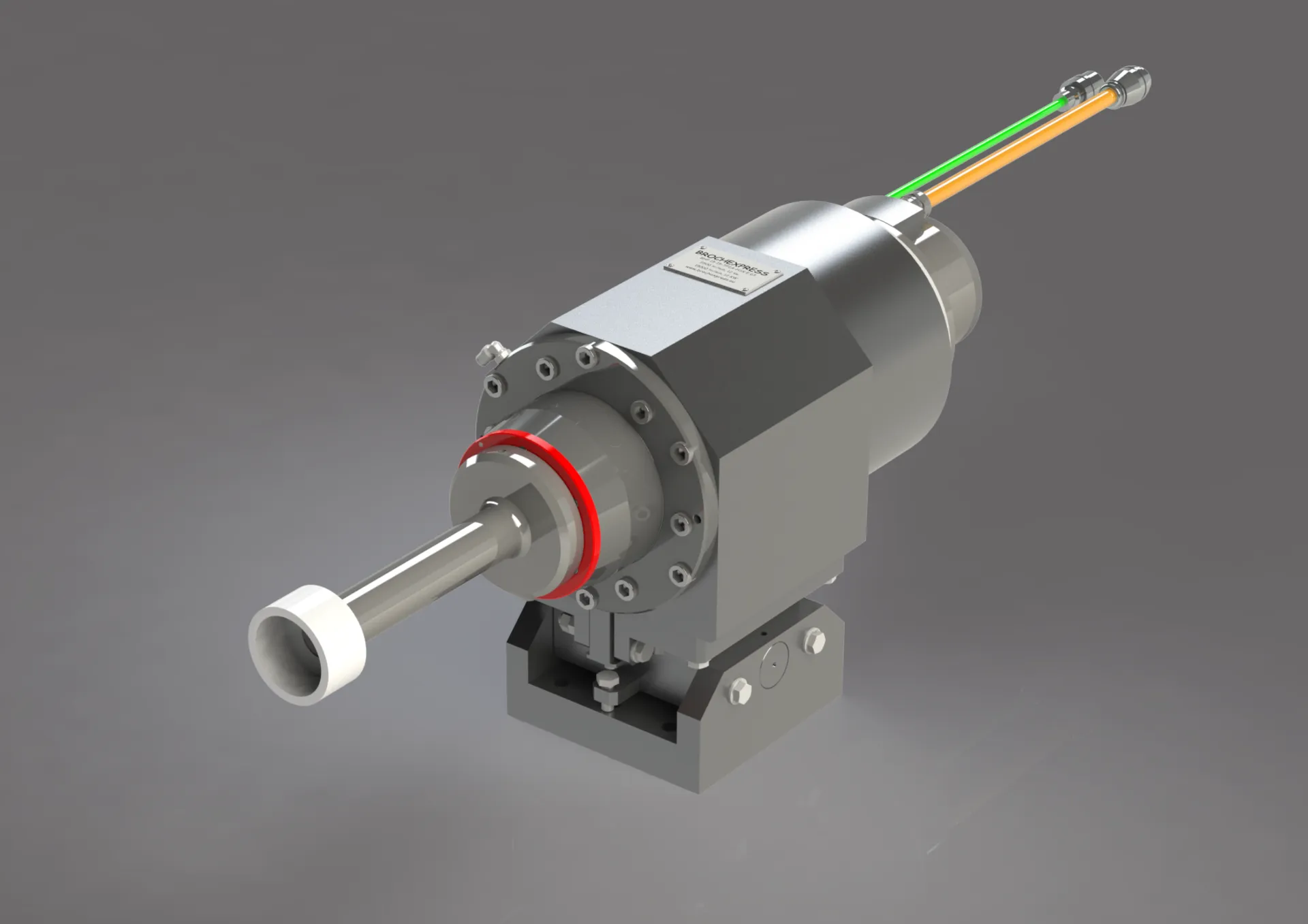
The electrospindle is an essential component in CNC machine tools and other industrial equipment, offering great precision and speed. However, over time or due to a lack of maintenance, the electrospindle may develop problems that require repair. As a specialist in this field, Brochexpress offers you an overview of the possible repair solutions for your electrospindle.
Detecting Electrospindle Problems
Before finding the appropriate solution to repair your electrospindle, it is first necessary to determine the nature of the problem encountered. Here are some examples of malfunctions you might observe:
- Abnormal noise: Excessive noise coming from your electrospindle may indicate a bearing or motor problem.
- Vibrations: If you feel unusual vibrations when using the electrospindle, this may signal a balancing defect or a damaged internal component.
- Overheating: Frequent overheating of the electrospindle can be caused by several factors such as a lack of lubrication, a blocked fan or parasitic currents.
- Power loss: If you notice a decrease in electrospindle performance, this may be due to a power supply or speed control problem.
In-Depth Electrospindle Analysis
Once the problems have been identified, it is necessary to carry out a more detailed analysis of your equipment. This step not only confirms the causes of the malfunctions, but also detects other potential problems that may need to be corrected.
Visual Inspection and Dimensional Control
This first step consists of a thorough inspection of the electrospindle to spot any visible external signs of wear, damage or contamination. This includes checking:
- The cleanliness and integrity of cables, connectors, bearings, seals, etc.
- The alignment and balancing of internal and external components.
- The condition of the housing, spindle, shaft and other structural elements.
Electrical, Mechanical and Thermal Tests
These additional tests allow for precise measurement and evaluation of the electrospindle’s overall performance. They generally reveal critical information such as:
- Electrical resistance values and parasitic currents.
- The remaining service life of bearings, gears and other moving elements.
- Operating temperature, heat dissipation and lubrication conditions.
Repair Solutions for an Electrospindle
Based on the results of the in-depth analysis, different repair solutions can be proposed. It is important to choose the solution best suited to your situation and specific needs, while taking into account the costs, lead times and warranties offered.
On-Site or Workshop Repair
Certain minor repair interventions can be carried out directly on-site, thus minimizing production downtime and logistics costs. On the other hand, more complex operations or those requiring specific equipment generally need to be performed in a specialized workshop.
Partial or Complete Component Replacement
Depending on the extent of the damage or wear observed, it may be necessary to replace certain electrospindle components such as:
- Bearings, bushings, belts, pulleys and other elements of the transmission and rotation system.
- The motor, stator, rotor, sensors, transmitters and other electrical and electronic components.
- Seals, gaskets, plugs, filters and other elements protecting against contaminants and moisture.
Overhaul, Re-machining and Recalibration of Parts
In certain situations, it may be advantageous to carry out a complete overhaul of the electrospindle to restore its initial performance and extend its service life. This includes notably:
- Cleaning, disassembly, inspection and reassembly of the entire equipment.
- Precise re-machining of worn or damaged surfaces (e.g., grinding, boring, milling).
- Recalibration of critical dimensions, tolerances and functional parameters (e.g., concentricity, coaxiality, stiffness).
Preventive Maintenance to Avoid Future Breakdowns
To prevent recurring problems and extend the lifespan of your electrospindle, it is also essential to adopt an appropriate preventive maintenance program. Among the best practices to adopt are:
- Regular inspection and monitoring of early warning signs of malfunctions.
- Compliance with the maintenance intervals recommended by the manufacturer.
- Use of quality lubricants, cooling fluids and consumables.
- Training and awareness of staff regarding best operational practices.
Conclusion
In summary, there are several repair solutions for an electrospindle, the relevance of which depends on the problems identified and the specific constraints of each situation. As experts in this field, we at Brochexpress are at your disposal to support you throughout the repair process and help you optimize the performance and reliability of your equipment.