What Is the Difference Between a Spindle and an Electrospindle?
Introduction
In machining, technical terms abound, and it is not always easy to navigate them. Are you wondering what the concrete difference is between a spindle and an electrospindle and which is best suited to your machine tools? At BrochExpress, we have been designing, manufacturing and maintaining mechanical spindles and electrospindles for over 30 years, allowing us to provide you with precise and practical insight.
Understanding the difference between a spindle and an electrospindle helps you better size your investments, optimize your machining performance and reduce the risk of breakdown.
Spindle, Mechanical Spindle: What Are We Talking About Exactly?
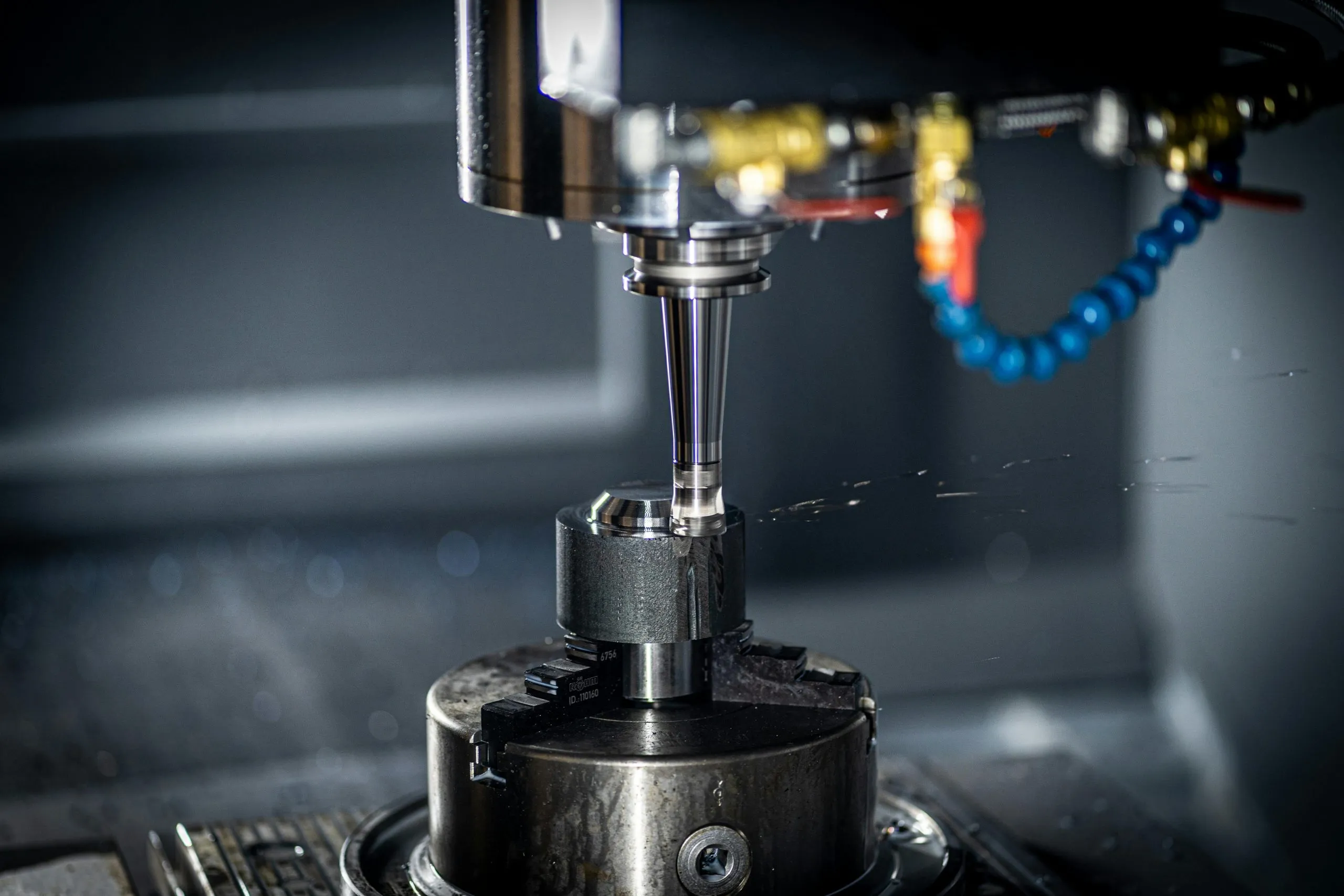
The term “spindle” refers to a mechanical spindle: the rotating shaft that drives the cutting tool or the workpiece. On a traditional machine tool, this spindle is driven by an external motor (electric or other), via belt, pulley or gear transmission. The spindle is therefore at the heart of the machine’s kinematics, but it does not itself contain the motor.
Characteristics of a Mechanical Spindle:
- A robust design, suited to heavy loads
- A rotation speed generally more moderate than that of electrospindles
- Maintenance that focuses primarily on bearings, lubrication, alignment and the condition of bearing surfaces
- Frequent integration on older machines or on applications where torque takes priority over very high speed
What Is an Electrospindle?
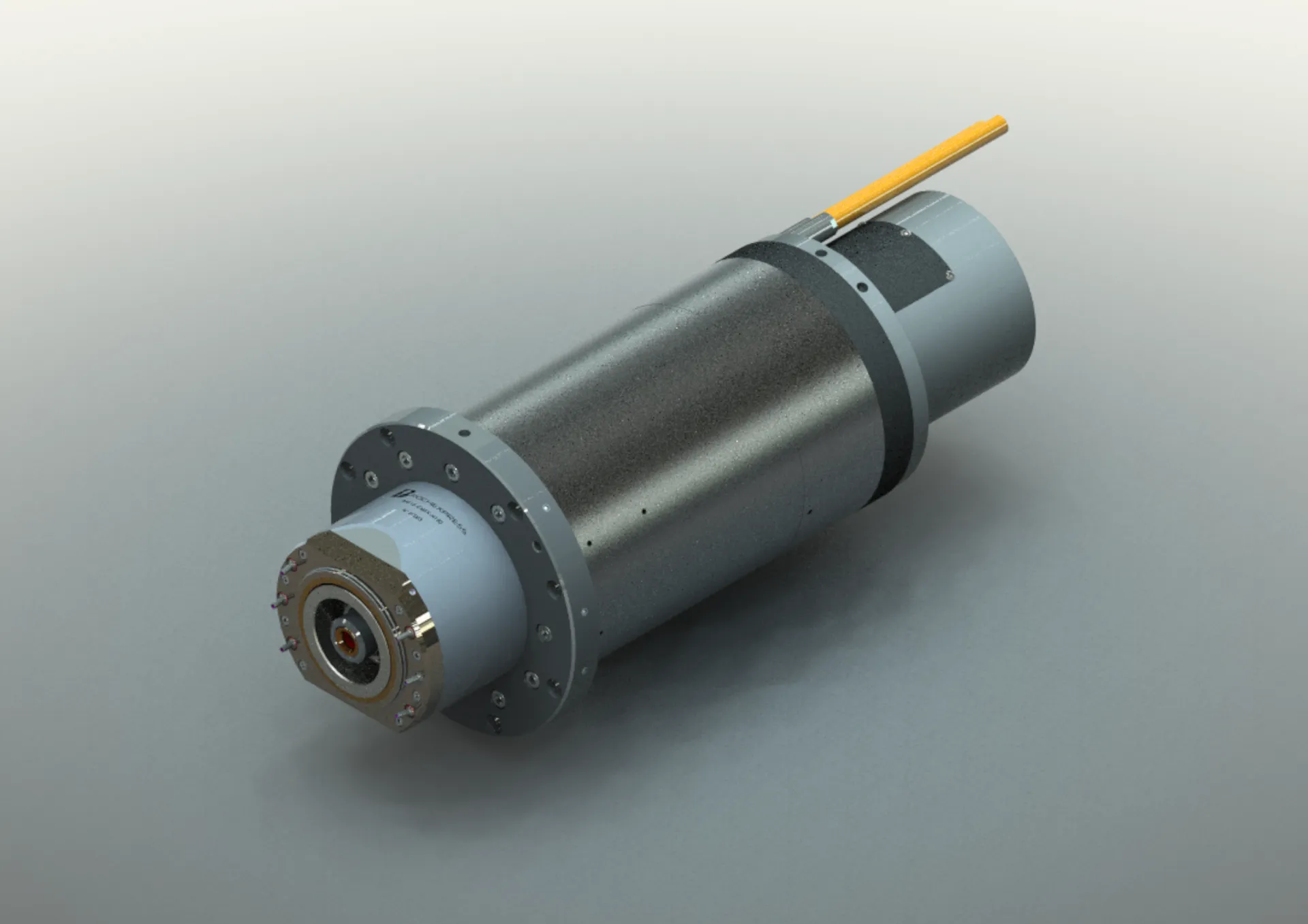
The electrospindle is a technological evolution of the mechanical spindle. It is still a rotating shaft, but this time the high-frequency motor is directly integrated into the spindle. This integration allows very high rotation speeds to be achieved, with great precision and fine torque control.
Characteristics of an Electrospindle:
- Very high rotation speed, ideal for high-precision machining
- Compactness that facilitates integration on CNC machining centers
- The presence of sensors (temperature, vibrations…) facilitating diagnosis
- High maintenance requirements, but very well managed when regular monitoring is in place
The Difference Between a Spindle and an Electrospindle in Practice
Architecture and Integration
- Spindle: mechanical spindle driven by an external motor and transmission
- Electrospindle: compact motorized spindle, with integrated high-frequency motor
Performance
- Spindle: more modest speeds, very good torque behavior, frequent use on operations requiring high cutting forces
- Electrospindle: very high speeds, excellent precision, ideal for high-precision machining and technical materials
Maintenance
- Spindle: interventions focused on bearings, alignment, geometry and transmission
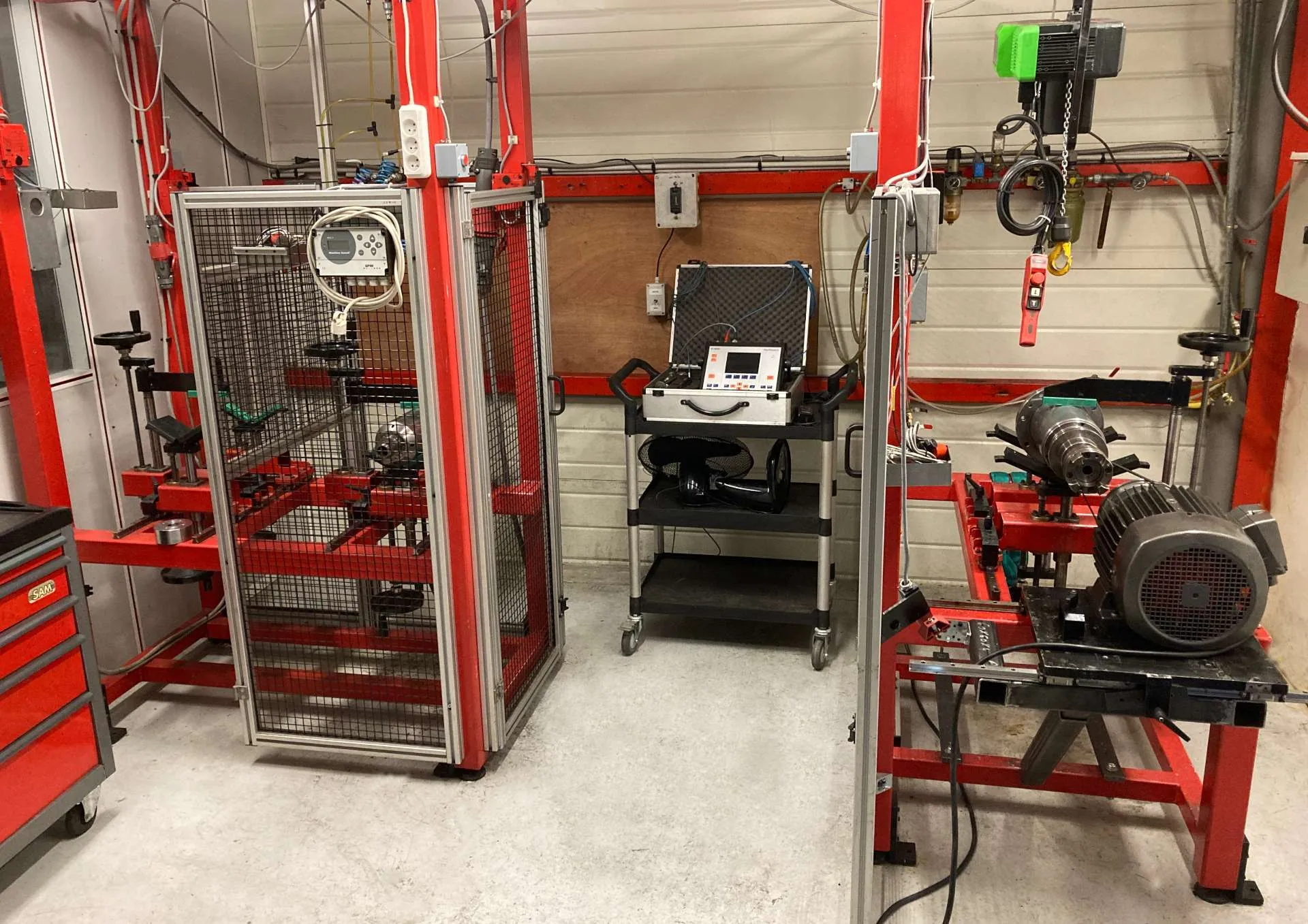
- Electrospindle: more comprehensive maintenance (bearings, motor, sensors, cooling) requiring specific expertise
Typical Applications
- Spindle: older machines, machining centers where the priority is torque or rigidity
- Electrospindle: modern CNC centers, high-speed machining, operations where surface quality and tight tolerances are essential
How to Choose Between Spindle and Electrospindle for Your Workshop?
The difference between a spindle and an electrospindle must always be put into perspective with your ground reality: type of parts machined, volumes, tolerances, tools used, machine environment, etc.
A few simple questions can help guide your decision:
- Do you need very high rotation speeds, or rather high torque at moderate speed?
- Are your machines predominantly recent CNC centers or older equipment that is still performing well?
- What are your main priorities: precision, productivity, flexibility, maintenance cost, machine availability?
- Do you already have regular monitoring of your spindles and electrospindles, or do you only intervene when a breakdown occurs?
At BrochExpress, our role is to advise you pragmatically, taking into account this difference as well as your production and budget constraints. Our expertise covers the design, manufacturing, repair and maintenance of mechanical spindles and electrospindles, in France and Switzerland.