Designing a custom machining spindle successfully
Introduction
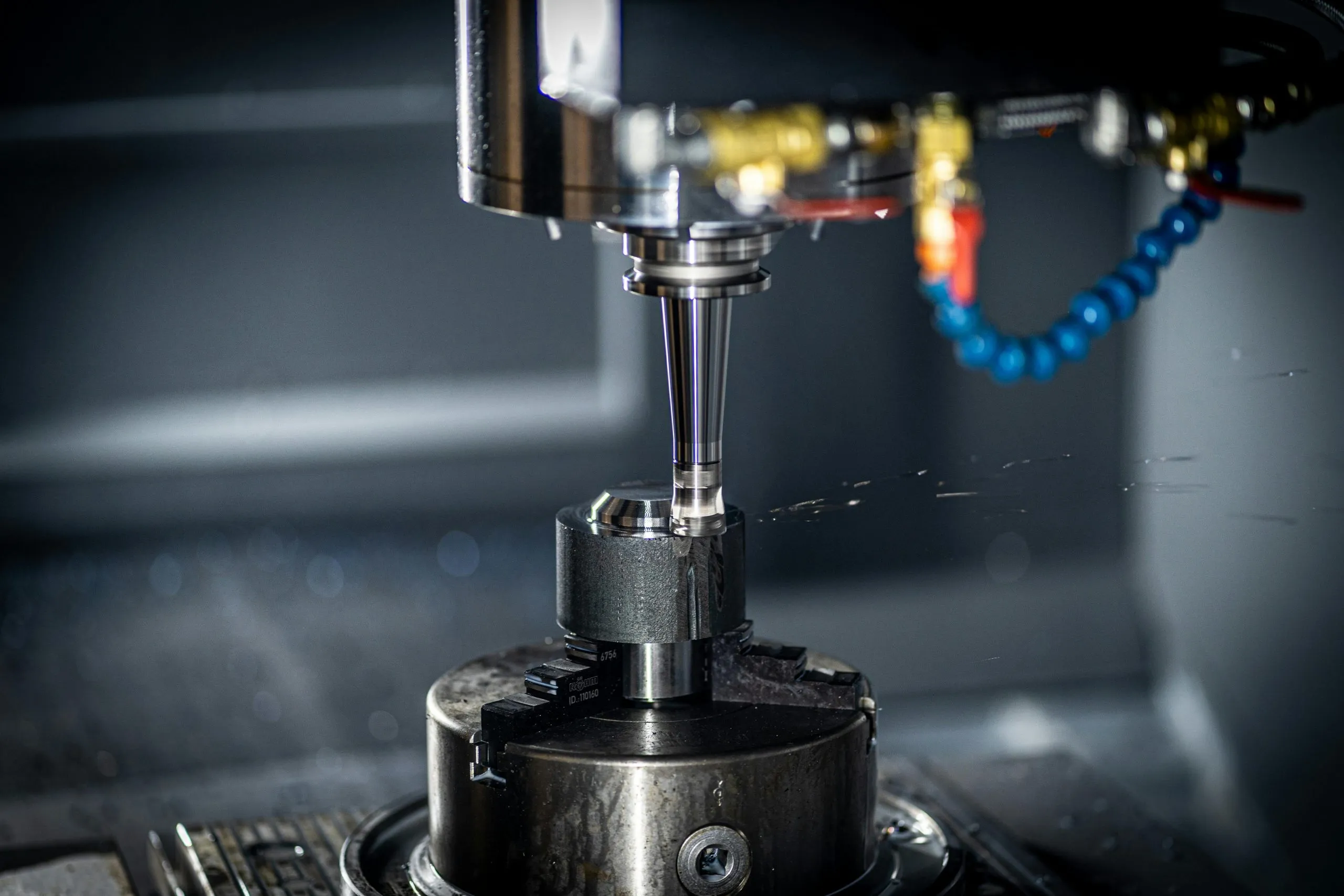
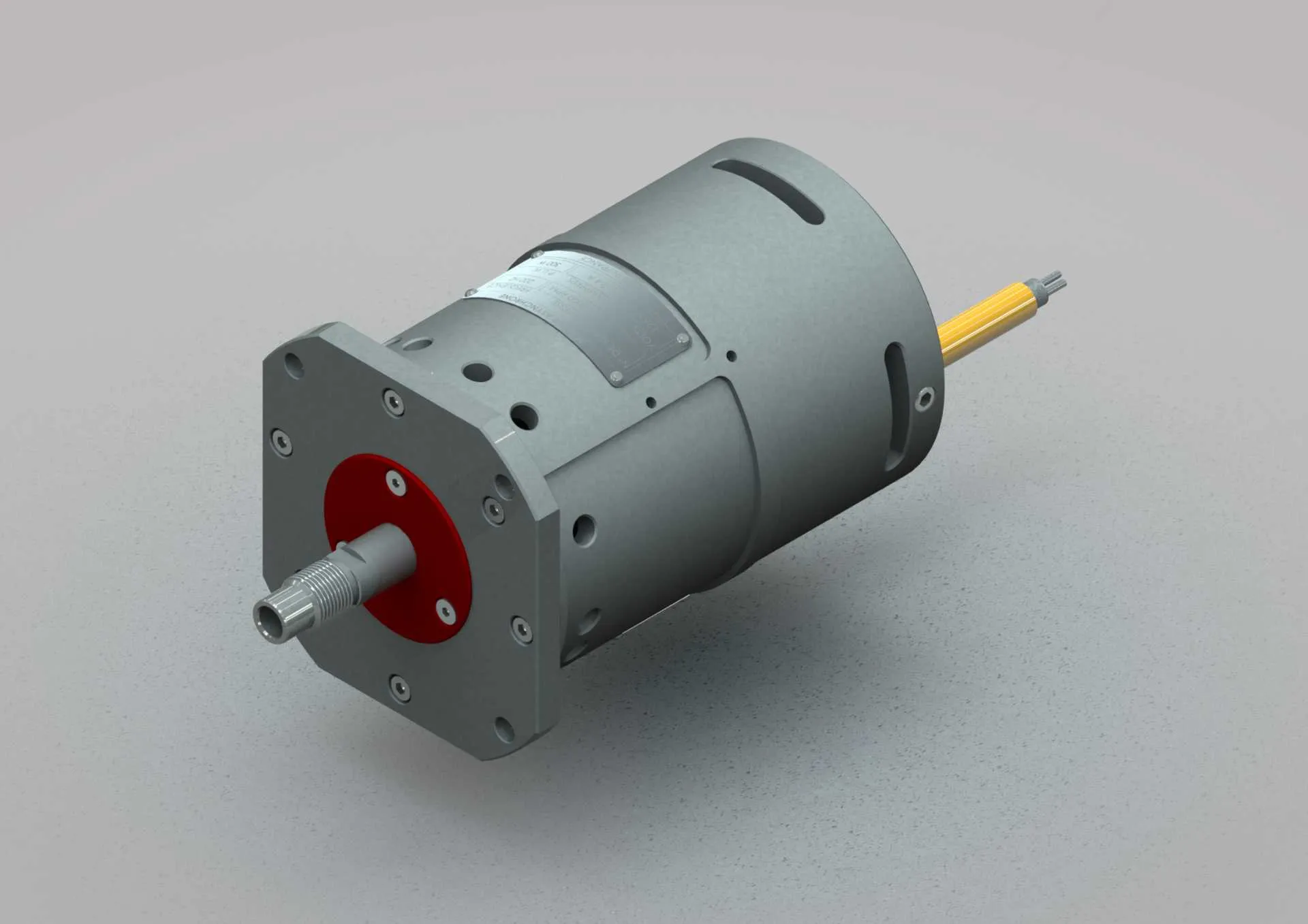
This article covers the design of custom machining spindles, essential components for precision and productivity in milling operations, which must be adapted to the specifications of each industrial project.
1. Study the technical characteristics of the workpiece
Before manufacturing a custom spindle, the properties of the workpiece must be considered.
Identify material properties
Materials such as aluminum, copper and plastic have different mechanical and thermal properties that affect the choice of spindle. Soft materials require low-angle spindles; harder materials require high-angle options.
Determine precision requirements
Achieving higher precision demands rigorous spindle design and manufacturing with detailed specifications established in advance.
2. Consider tool and holder specifics
Compatibility with the machine is decisive.
Adapt the machining spindle to rotational speed
Different milling operations require variable rotational speeds; close collaboration between the designer and the user enables finding optimal compromises.
Ensure spindle stability on the tool holder
Poor fastening leads to vibrations, overheating, loss of precision and premature wear. A perfect fit with quick-change capability is essential.
3. Comply with standards and best practices
Comply with international standards
ISO 9001 and 14001 compliance ensures manufacturing quality and environmental responsibility. Brochexpress maintains qualified teams and performance monitoring systems.
Know and apply best practices
- Safety glasses protect against chip projections
- Compatible tool holders ensure compatibility with the spindle
- Temperature and cutting speed management based on material characteristics
- Regular maintenance of equipment and fixtures prevents corrosion and wear